
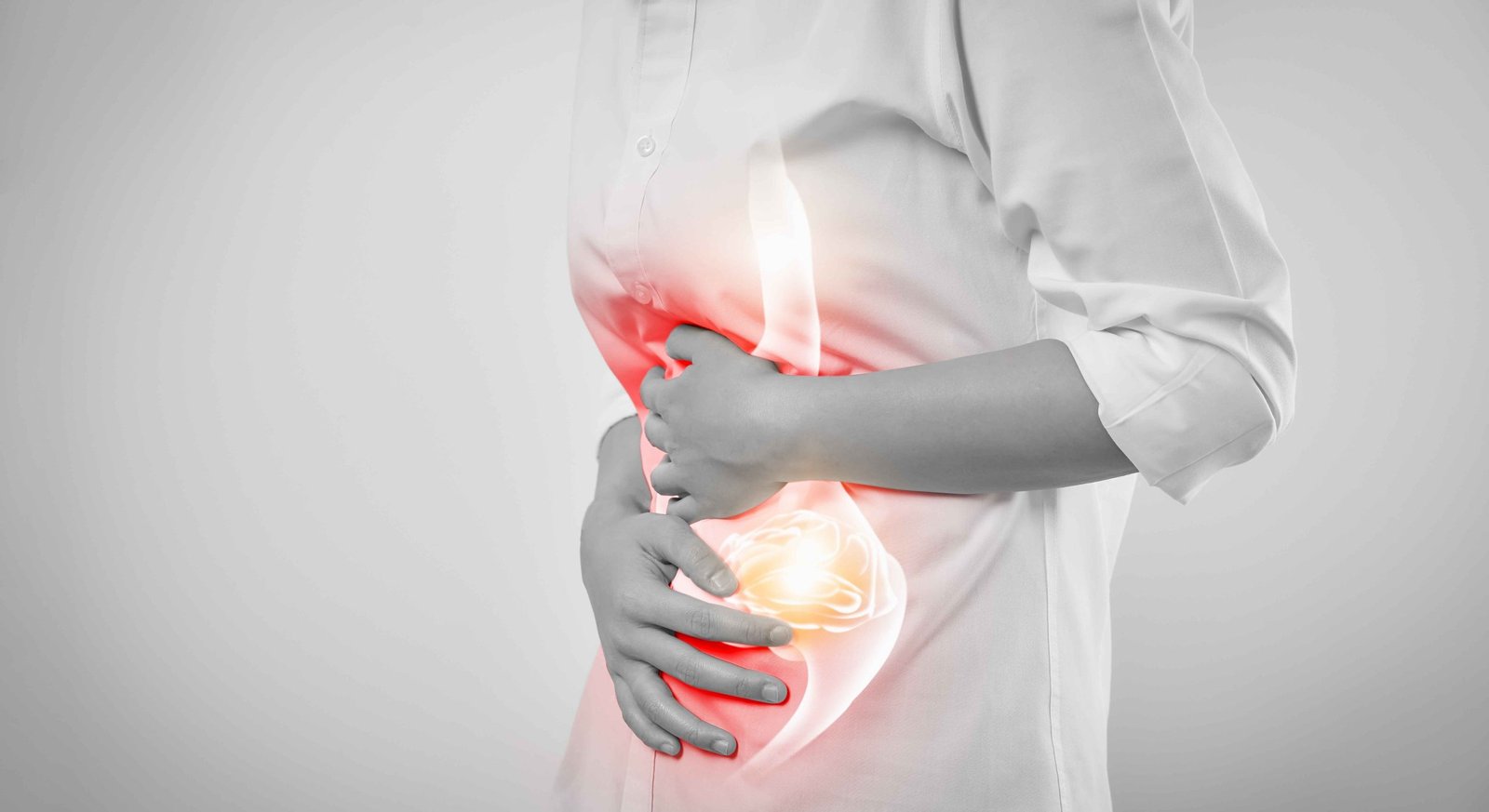
Abdominal pain is a common symptom that arises from a variety of digestive, inflammatory, or functional conditions. While medical evaluation is necessary for persistent or severe discomfort, lifestyle modifications often play a significant role in managing and reducing symptoms. Factors such as dietary habits, stress levels, hydration, physical activity, and sleep patterns will directly influence digestive health and overall comfort.
i. Dietary Adjustments for Digestive Comfort
What you eat directly impacts your stomach. Small dietary shifts make a big difference. Start by identifying foods that trigger your symptoms. Common culprits include spicy dishes, fatty foods, and caffeine. Keep a food diary for two weeks. This will help you track what you eat and when symptoms occur. Fiber also plays a key role in digestive health. Increase your intake of fruits, vegetables, and whole grains gradually. This promotes regular bowel movements and reduces cramping.
Eating smaller, more frequent meals does ease digestive strain. Instead of three large meals, try five or six smaller portions. This approach prevents your stomach from getting too full and reduces the pressure that can sometimes lead to discomfort. Chew your food thoroughly and eat slowly. This aids digestion and prevents you from swallowing excess air. These simple changes can provide significant relief from abdominal pain.
ii. Stress Management and Mind-Body Techniques
Your mental state and digestive health are closely connected. Stress can trigger or worsen your abdominal discomfort. When you feel anxious, your body releases stress hormones. These hormones affect your gut function. Learning to manage stress also significantly reduces stomach pain.
Practice deep breathing exercises for 10 minutes daily. Inhale slowly through your nose for four counts. Hold for four counts, then exhale for six counts. This simple technique will calm your digestive system. Meditation helps you become more aware of your body’s signals. Set aside 15-20 minutes each day to sit quietly. Progressive muscle relaxation is another helpful tool. Tense and release muscles from your toes to your head. This will help you release physical tension.
iii. Physical Activity and Movement Habits
Regular movement supports digestion and helps ease abdominal cramps. Intense workouts aren’t necessary; gentle, consistent activity works best. Walking for 30 minutes after meals promotes digestion, reduces bloating, and helps food move through your digestive tract efficiently. Yoga also offers specific poses, like child’s pose, cat-cow stretch, and seated spinal twist, to massage abdominal organs and improve digestion.
Avoid lying down right after eating, as it can worsen acid reflux or cramping. Wait two to three hours before reclining or going to bed. If you need to rest, prop yourself up with pillows to elevate your upper body. This position helps prevent stomach acid from flowing back into your esophagus. Gentle movement and mindful habits after meals do make a big difference for your digestive health.
iv. Preventive Health and Symptom Monitoring
Taking charge of your health can help prevent abdominal pain from becoming a chronic issue. Use a journal or smartphone app to track symptoms like pain intensity, duration, and location, along with related issues such as nausea or bowel changes. This detailed record is helpful when consulting with your doctor. Regular check-ups are also needed for monitoring your digestive health.
Be alert to warning signs that require immediate attention, such as severe pain, blood in your stool, persistent vomiting, unexplained weight loss, or fever with abdominal pain. These symptoms can signal serious conditions requiring urgent care. If you’re on prescribed medications for digestive issues, follow the instructions carefully to achieve proper management.
Consult an Abdominal Pain Specialist
Managing abdominal pain through lifestyle changes requires patience and consistency. Start with one or two adjustments and gradually incorporate others as they become habits. These lifestyle modifications can significantly improve your comfort, but they shouldn’t replace professional medical care. If your symptoms persist or worsen, consult an abdominal pain specialist near you for evaluation and treatment.
Leave a Reply