
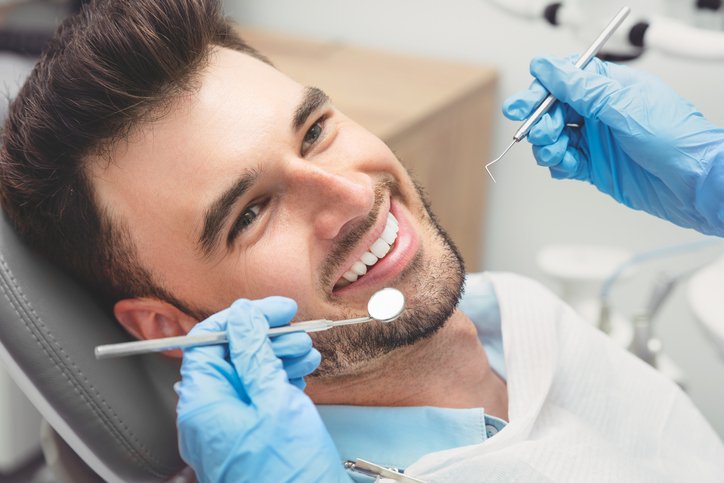
Regular dental visits help keep your teeth and gums healthy, and without proper care, decay or gum disease can lead to tooth loss and affect your smile. A dentist addresses chipped and discolored teeth through services such as veneers and crowns. Here are a few ways that a dentist improves the aesthetic of your smile:
Whitens Teeth
Surface stains develop from habits like smoking or from dental injury, such as chipped or cracked teeth, that may alter how light reflects off the tooth surface. Discoloration is a buildup of pigments on the enamel rather than a change in the tooth’s internal color. When you visit a cosmetic dentist, they can often lighten the appearance of stains in a single appointment using professional whitening treatments. These procedures are designed to remove or reduce surface-level discoloration, making teeth appear several shades brighter in a short period.
Places Porcelain Veneers
Uneven teeth sometimes affect how a smile looks, and veneers address this by covering the front surfaces to improve the overall appearance. Porcelain veneers are thin shells designed to fit over the visible part of each tooth. Because each set is custom-made, the shade and shape blend with the surrounding teeth for a natural result.
Before placement, a dentist prepares the teeth by removing a small amount of enamel and taking impressions. Once the veneers are fabricated, they are bonded securely to the teeth. Tooth shape, length, and color are adjusted through this process so the final result aligns with adjacent teeth. With consistent oral hygiene and regular dental visits, veneers remain in good condition over time.
Restore Teeth with Crowns
Damaged or heavily filled teeth often receive crowns to restore their structure and function. A crown covers the visible portion of a tooth and shields it from further wear while rebuilding its shape, which also improves the appearance of the smile. During treatment, the dentist reshapes the tooth so the crown fits securely and aligns with surrounding teeth. After this step, the dentist takes an impression and sends it to a lab, where technicians craft a crown that matches the color and form of nearby teeth. Once the dentist places the crown, it supports normal chewing and speaking.
Replace Missing Teeth
Missing teeth create gaps that change how the upper and lower teeth meet when you bite. Chewing also becomes more difficult when several teeth are absent, which often leads people to seek a dental evaluation. Adjacent teeth tend to drift into the empty space over time, and replacement helps preserve overall alignment.
Tooth loss occurs for several reasons, including decay, gum disease, injury, or long-term wear. A dentist evaluates the cause of the loss and examines the surrounding teeth and gums before recommending treatment. Professionals evaluate how the missing tooth affects alignment, spacing, and bite contact points, then plan a solution to replace the gap and stabilize how the teeth meet while chewing and speaking.
Visit a Dentist Today
Your oral health benefits from regular dental visits to address plaque buildup and gum problems. With the right dental care routine, you are able to prevent various dental issues and maintain your smile. Contact your local dentist today to schedule an appointment and keep your teeth healthy and aesthetic.
Leave a Reply