
-

Frequently Asked Questions About Brain Cancer
•
Brain cancer begins when cells in the brain grow uncontrollably, and this can form a mass called a tumor. Brain tumors can be malignant, containing cancer cells, or benign, meaning they do not. Both types have the potential to press on brain structures and cause symptoms. Here are some typical questions about this condition:…
-

Using MRI in Sports Medicine to Diagnose and Treat Injuries
•
MRI, or magnetic resonance imaging, is a widely used diagnostic tool in sports medicine to assess and manage injuries. MRI helps physicians identify the extent of damage and create targeted treatment plans by providing detailed images of muscles, ligaments, and joints. Here’s more information on using magnetic resonance imaging to diagnose and treat injuries…
-

Discovering the Aesthetic Treatments That Fit Your Lifestyle
•
Finding a treatment that aligns with your personal goals and daily routine is a practical approach. People seek aesthetic procedures for various reasons, from enhancing their appearance to addressing changes in their skin over time. Understanding the various treatments that aesthetics can offer is the first step in making an informed decision that feels…
-

Exercises To Alleviate and Prevent Neck Pain
•
Neck pain can stem from posture, muscle strain, or underlying conditions. Gentle movements may help manage discomfort and improve neck flexibility. Performing specific exercises regularly can support the structures in your neck. Here are a few simple movements to add to your daily routine: Shoulder Rolls Shoulder rolls are a simple exercise to begin…
-

The Impact of Daily Life on Metabolism and Weight Management
•
Metabolic health can be affected by conditions such as thyroid dysfunction or insulin resistance, which may be identified through blood tests. Lifestyle adjustments, such as diet, exercise, and stress management, often support overall well-being, while some people may also utilize medical interventions. Professional guidance helps provide tailored recommendations and monitor progress. Here are a…
-
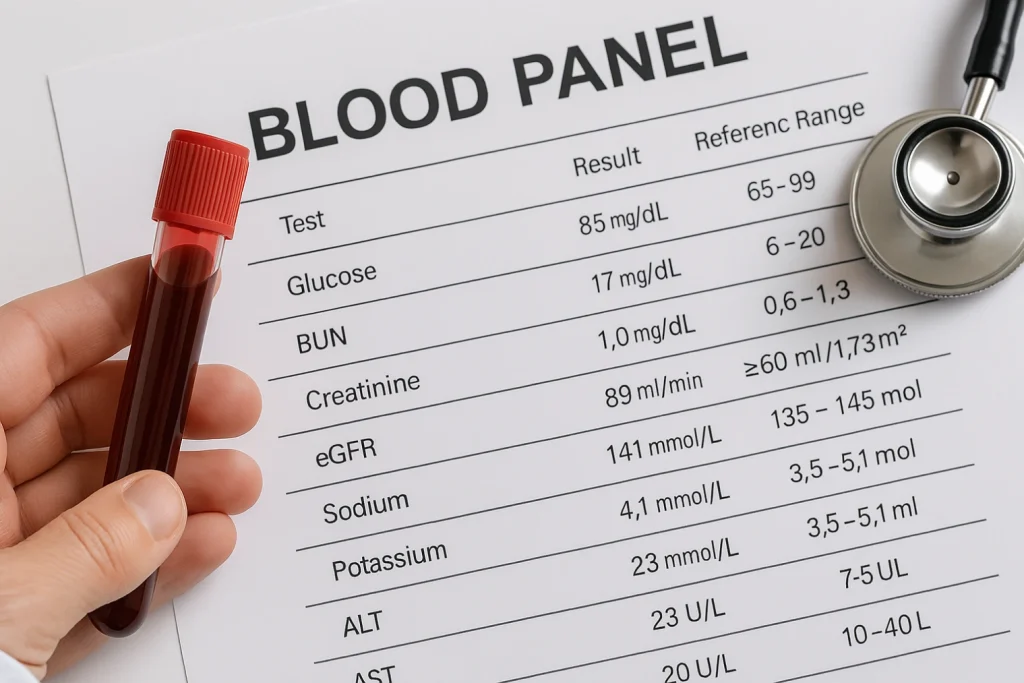
What You Need to Know About Interpreting Your Blood Work Results
•
Blood tests provide detailed information about various components, including blood cells, cholesterol, glucose, and organ function. These results help healthcare providers identify potential health issues and monitor ongoing conditions. Understanding standard tests, such as a complete blood count or metabolic panel, can help clarify what each measurement reveals about your overall health. Here is…
-

The Role of Pulmonary Function Testing in Evaluating Asthma in Children
•
Pulmonary function refers to how well the lungs work, specifically their ability to move air in and out and how they transfer gases into the bloodstream. Evaluating this function is a key component of respiratory health management. For children with respiratory conditions like asthma, pulmonary function tests (PFTs) provide information about their lung health.…
-

Understanding the Long-Term Effects of Vascular Problems
•
The vascular system is a complex network of blood vessels, including arteries, veins, and capillaries, responsible for moving blood throughout the body. Vascular problems encompass a range of conditions that affect these vessels, which may alter blood flow over time. Here is information on vascular problems and what long-term effects may occur because of…
-

Addressing Sexual Health as a Key Component of Men’s Health
•
Mens’ health involves various physical aspects, including sexual health. This component is key to overall well-being, and it’s linked to broader factors, such as lifestyle, daily functioning, and quality of life. Various conditions can affect sexual health, from low testosterone to erectile dysfunction. Here’s information about the connection between sexual health and overall wellness:…
-

The Impact of Hydration on Headache Prevention
•
Headache symptoms may range from light discomfort to sharp, throbbing pain that interferes with daily routines. While headaches have many triggers, knowing how your body works helps you manage their frequency and impact. Here is more information about the impact of hydration for headache prevention: Brain Function Your brain relies on adequate hydration to…