
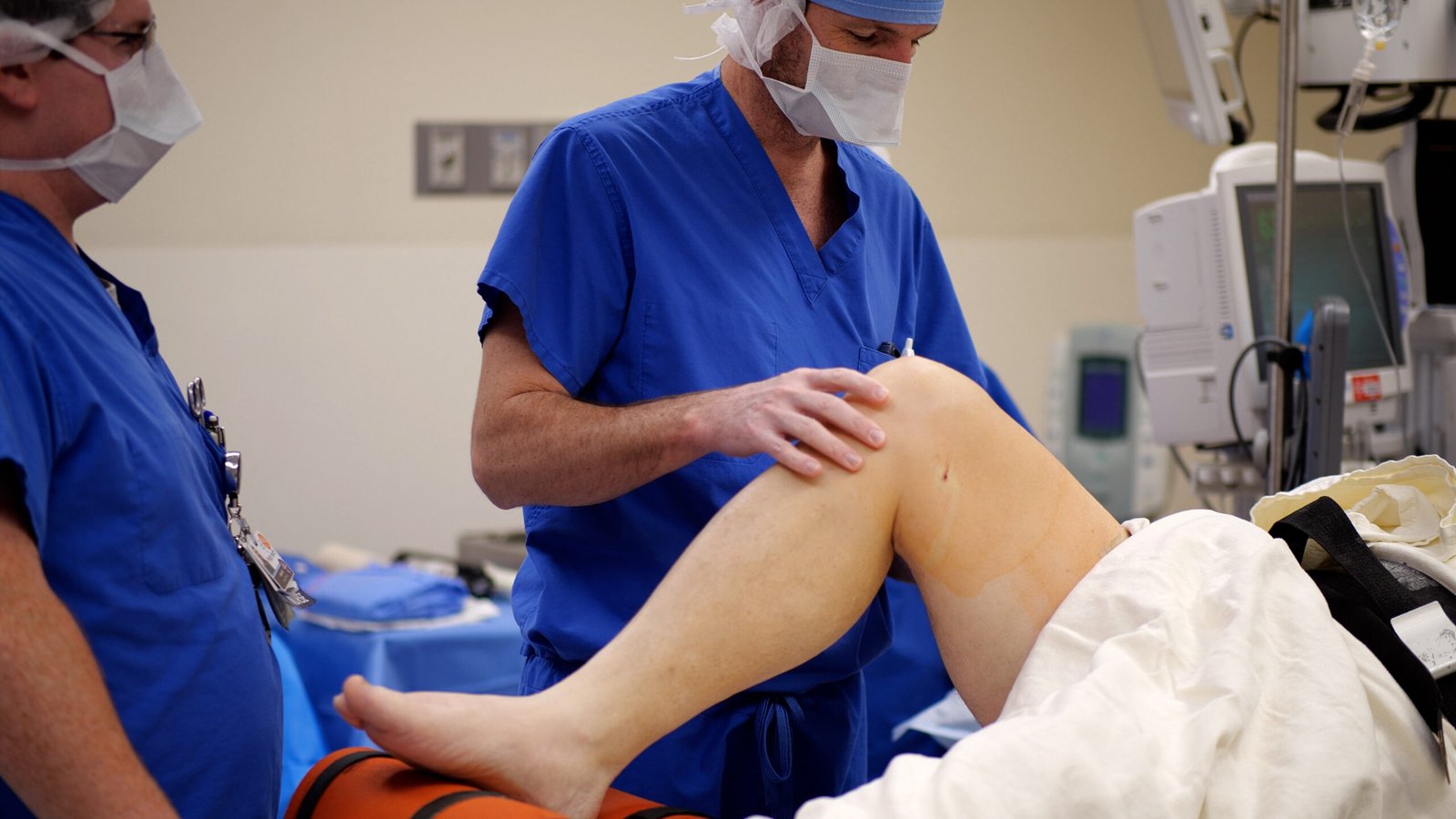
Chronic knee pain impacts many aspects of daily life. Simple activities can become difficult. Total knee replacement is a surgical procedure and it addresses joint damage from arthritis or injury. Since this is a big decision, understand the process beforehand.
Restoring Your Mobility
Because knee pain limits movement, it can also limit daily activities. Walking becomes difficult, so stairs are often avoided. A knee replacement removes damaged surfaces and replaces them with artificial ones for smoother joint function. Many people walk more easily after recovery and return to low-impact activities. Improved mobility makes a noticeable difference in daily life. Short walks in the neighborhood and outings with family or friends are possible. Climbing stairs is more realistic when pain is controlled, and gentle exercises resume after full recovery. Gardening, light cycling, and household chores may become easier to manage. Moving comfortably allows participation in hobbies and provides greater freedom in daily routines.
Reducing Chronic Pain
Constant knee pain is exhausting, as it can affect sleep and mood. Because the primary goal of knee replacement is pain reduction, the procedure often provides significant relief. Pain during recovery is temporary and typically lessens as the new knee heals. When knee pain is manageable, better rest at night and greater comfort during the day are possible. Reduced pain means fewer interruptions to routines, making tasks like getting in and out of bed, sitting, or standing up easier. Less reliance on over-the-counter pain medicine simplifies the medication routine. During recovery, soreness and stiffness are normal, and healthcare providers offer exercises and advice for post-surgical pain. Following instructions and attending check-ups support healing and steady progress. As pain lessens, focus shifts to rehabilitation and gradually returning to preferred activities with realistic expectations.
Increasing Independence
Limited mobility reduces independence. Daily tasks may require help. Knee replacement helps restore function and lets you regain the ability to do things on your own, such as shopping or housekeeping. With better joint function, some daily tasks are easier to manage. Many people find it easier to go for walks, do light gardening, or visit friends and family. Climbing stairs, once a major barrier, becomes a normal part of daily life. As daily activities become less difficult, self-sufficiency increases, and independence may grow. Reclaiming these tasks supports overall well-being, and greater household contributions mean less reliance on others.
Another aspect to consider is the impact of regaining independence. When you can accomplish tasks on your own, it can lead to higher activity levels. This often extends into other areas of life, encouraging you to set new goals and take on challenges. Additionally, you may feel more motivated to engage with your community or try new hobbies, further enriching your daily experience. Even small steps can lead to meaningful progress over time. Prioritizing consistency will help you build a strong foundation and achieve lasting improvements.
Discuss Knee Replacement Today
Understanding knee replacement is a key step. Gather all the facts. Speaking with a healthcare provider is recommended. A specialist will assess your specific situation, answer questions, and explain the risks and benefits so you can make an informed choice. You can improve your outlook and make informed decisions about your health. Because everyone’s recovery is different, it is important to discuss your unique needs with your healthcare team today.
Leave a Reply