
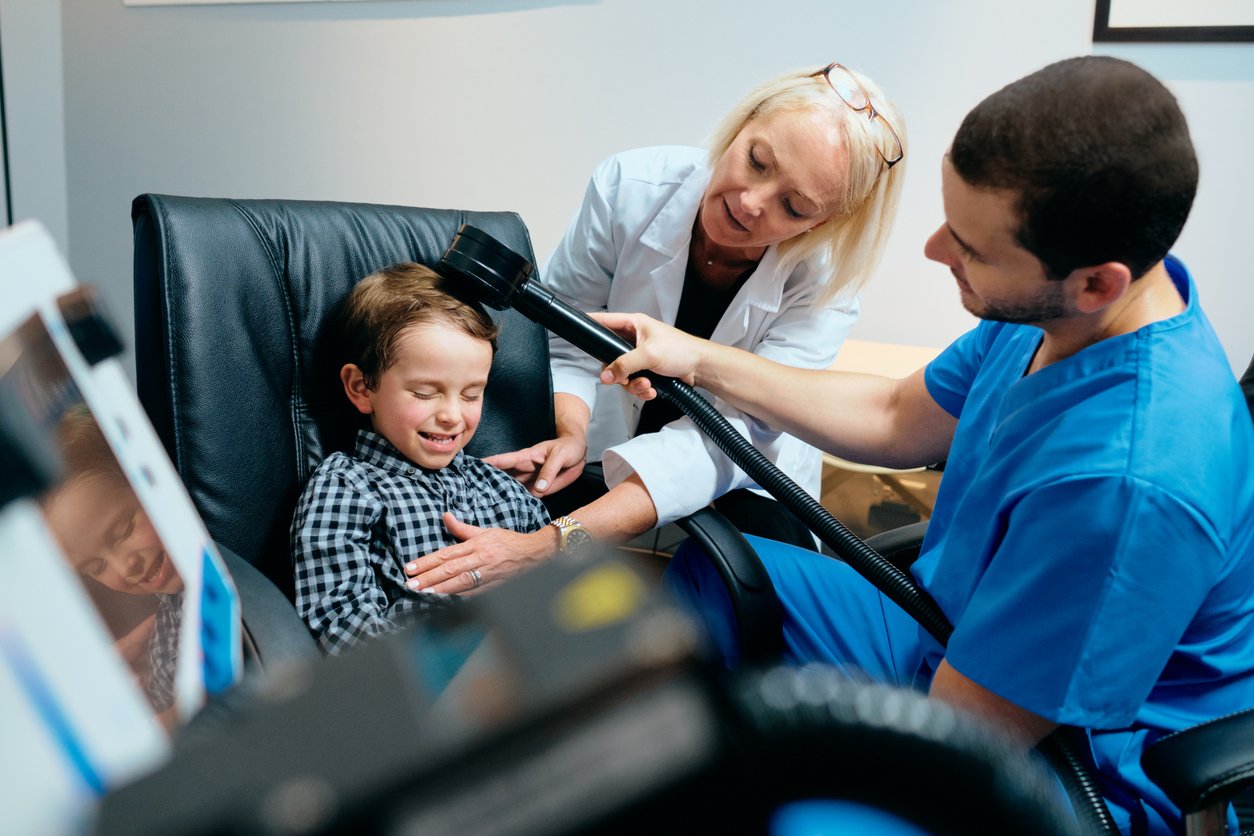
Neurology is the study of the nervous system, and it involves diagnosing conditions of the brain and spine. A pediatric neurologist is a physician who receives specialized training to diagnose neurological conditions in children. They also treat or help your child manage conditions such as muscular dystrophy and cerebral palsy. Here is more information about pediatric neurology and what it treats:
Defining Pediatric Neurology
Pediatric neurology focuses on diagnosing and treating a wide range of childhood neurological disorders. This medical specialty requires physicians to complete exhaustive education. They undergo specialized training, and they study a wide variety of diseases. The issues a pediatric neurologist may diagnose and treat include:
- Febrile seizures
- Spina bifida
- Brain injuries and tumors
- Cerebral palsy
- Autism spectrum disorders
Treating Various Conditions
There are many neurological conditions that can affect children. Brain development can be compromised by genetic and metabolic diseases, and a specialist can provide treatment or management plans for the different types. Birth defects affecting the spinal cord or brain, such as spina bifida, also fall under this category.
Neuromuscular conditions and brain injuries are common areas of focus. A specialist treats various conditions, including:
- ADHD and learning disabilities
- Epilepsy and seizure disorders
- Sleep and movement disorders
Some children face challenges with movement disorders like cerebral palsy, and neurological developmental problems during childhood may affect physical or cognitive abilities. A physician assesses the patient. Then, they create a treatment or management plan. These plans typically include conservative treatment options first, with follow-up appointments for the physician to adjust the plan as needed.
Recognizing Warning Signs
Specific indicators may suggest a child needs a neurological evaluation. Some symptoms are more subtle, but parents might notice developmental delays or a regression in previously acquired skills. Frequent headaches or migraines may be a sign of neurological conditions. Seizures represent a major indicator and require prompt medical attention to protect the child’s health.
Behavioral changes may warrant investigation by a physician, and movement issues also indicate this need. Conditions like Tourette syndrome or persistent tics fall under the management of this medical field. If a child faces challenges with speech or learning, a thorough assessment can identify the underlying cause. Muscle weakness or coordination problems may signal a neuromuscular disorder that benefits from early intervention.
Receiving Comprehensive Care
A neurologist conducts a thorough evaluation that includes a review of current symptoms. They perform an extensive physical exam, and they may recommend diagnostic studies to help with diagnosis. This process helps define the disorder because every child presents a unique medical profile.
Parents are active partners in the health of their children throughout the process. The physician discusses the diagnosis with the family, and they offer detailed reports for other medical providers. Ask your provider about ongoing support for chronic conditions that require continuous management and care.
Learn More About Pediatric Neurology
Pediatric neurology offers specialized care for children with disorders affecting the nervous system. Specialists provide accurate diagnoses, and they create tailored treatment plans for conditions like epilepsy or ADHD. This field combines expertise with clinical knowledge to support families throughout the treatment process. If you want to learn more about pediatric neurology, consult a pediatric neurologist near you.
Leave a Reply