
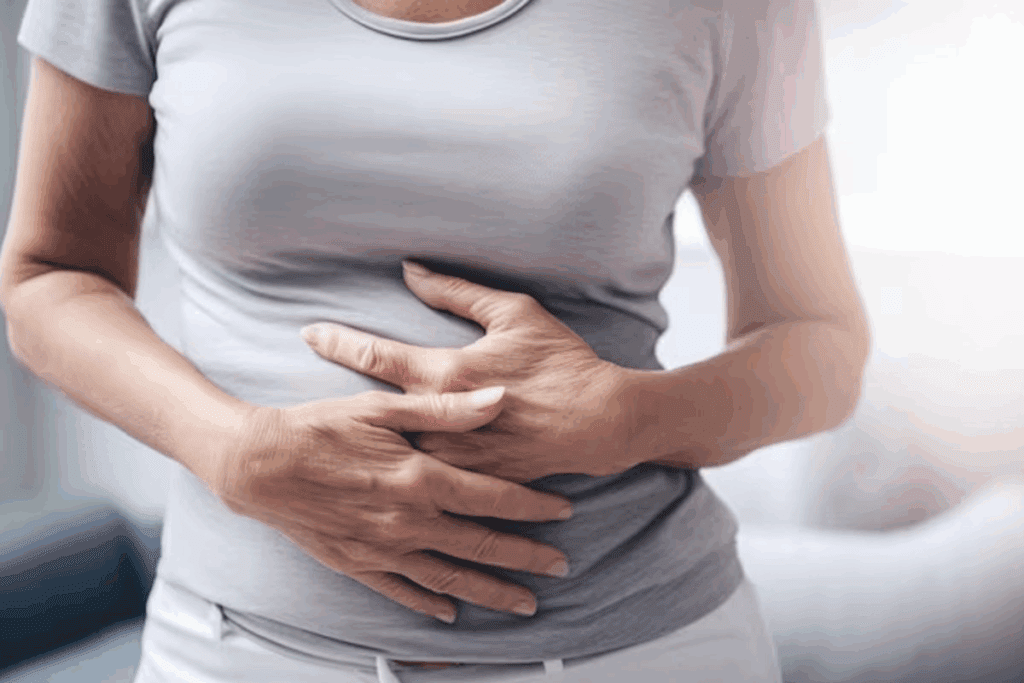
Constipation is a digestive concern that can cause more than infrequent bowel movements. When stool moves slowly through the colon, it may lead to bloating, cramping, and pressure that present as abdominal pain, sometimes mimicking other gastrointestinal conditions. Here’s more information on the link between constipation and abdominal pain:
Exploring Constipation and Abdominal Pain
Difficulty passing stool creates pressure within the intestines and colon. As stool accumulates and hardens, it stretches the intestinal walls, which contain nerve endings that register this stretching as pain or discomfort. The longer the stool remains in the colon, the more water the body absorbs from it, and this makes it increasingly difficult to pass and intensifies the abdominal discomfort.
The colon responds to this buildup by contracting more forcefully to move the stool along. These stronger contractions can cause cramping sensations throughout the abdomen. Gas often accompanies constipation because slowed digestion allows more time for bacterial fermentation in the intestines, producing further gas that contributes to bloating and pain.
Differentiating Constipation From Serious Concerns
Recognizing the difference between routine constipation and symptoms requiring medical evaluation helps determine the appropriate response. Here are indicators that require medical evaluation:
- Fever accompanying abdominal pain may signal infection or inflammation rather than constipation.
- Blood in stool or black, tarry stools require immediate medical attention.
- Severe pain that worsens progressively or occurs suddenly differs from the gradual discomfort characteristic of constipation.
- Unexplained weight loss combined with digestive symptoms suggests a condition beyond temporary constipation.
- Persistent symptoms lasting more than three weeks despite home treatment indicate the need for professional evaluation
- Pain that prevents normal activities or sleep requires medical assessment.
Constipation generally responds to dietary changes and increased fluid intake within a few days.
Identifying Triggers
Multiple factors can slow digestive function, leading to both constipation and abdominal discomfort. Insufficient fiber intake can prevent stool from maintaining the bulk and softness needed for smooth passage through the intestines. Foods high in refined carbohydrates and low in whole grains, fruits, and vegetables frequently contribute to this problem.
Dehydration directly affects stool consistency. The colon absorbs water from digestive waste to maintain the body’s fluid balance. When overall hydration levels drop, the colon extracts more water from stool, making it harder to eliminate. Movement and exercise stimulate the natural contractions that propel stool through the digestive tract. Sedentary lifestyles reduce this beneficial stimulation, leading to a sluggish digestive system.
Relieving Constipation Pain
Several approaches can provide relief from constipation and the accompanying abdominal discomfort. Here are some of them:
- Increase water intake to soften stool and support healthy digestion.
- Add fiber-rich foods like whole grains, fruits, vegetables, and legumes gradually to prevent gas and bloating.
- Engage in regular physical activity, such as walking, to stimulate intestinal contractions.
- Establish a consistent bathroom routine, allowing adequate time after meals when the digestive system naturally becomes more active.
- Apply a warm compress to the abdomen to relax intestinal muscles and ease cramping.
Over-the-counter stool softeners may provide temporary relief, but overusing laxatives can create dependency and worsen the condition over time.
Get Help for Constipation Today
Difficulty passing stool and abdominal pain are linked through the digestive system’s response to slowed elimination. Recognizing the signs of constipation versus symptoms requiring medical attention helps determine the appropriate course of action. Dietary changes, adequate hydration, and regular physical activity can help address constipation-related discomfort. If you experience severe pain, blood in stool, or other concerning signs, contact a professional gastroenterologist near you to book your appointment for constipation today.
Leave a Reply