
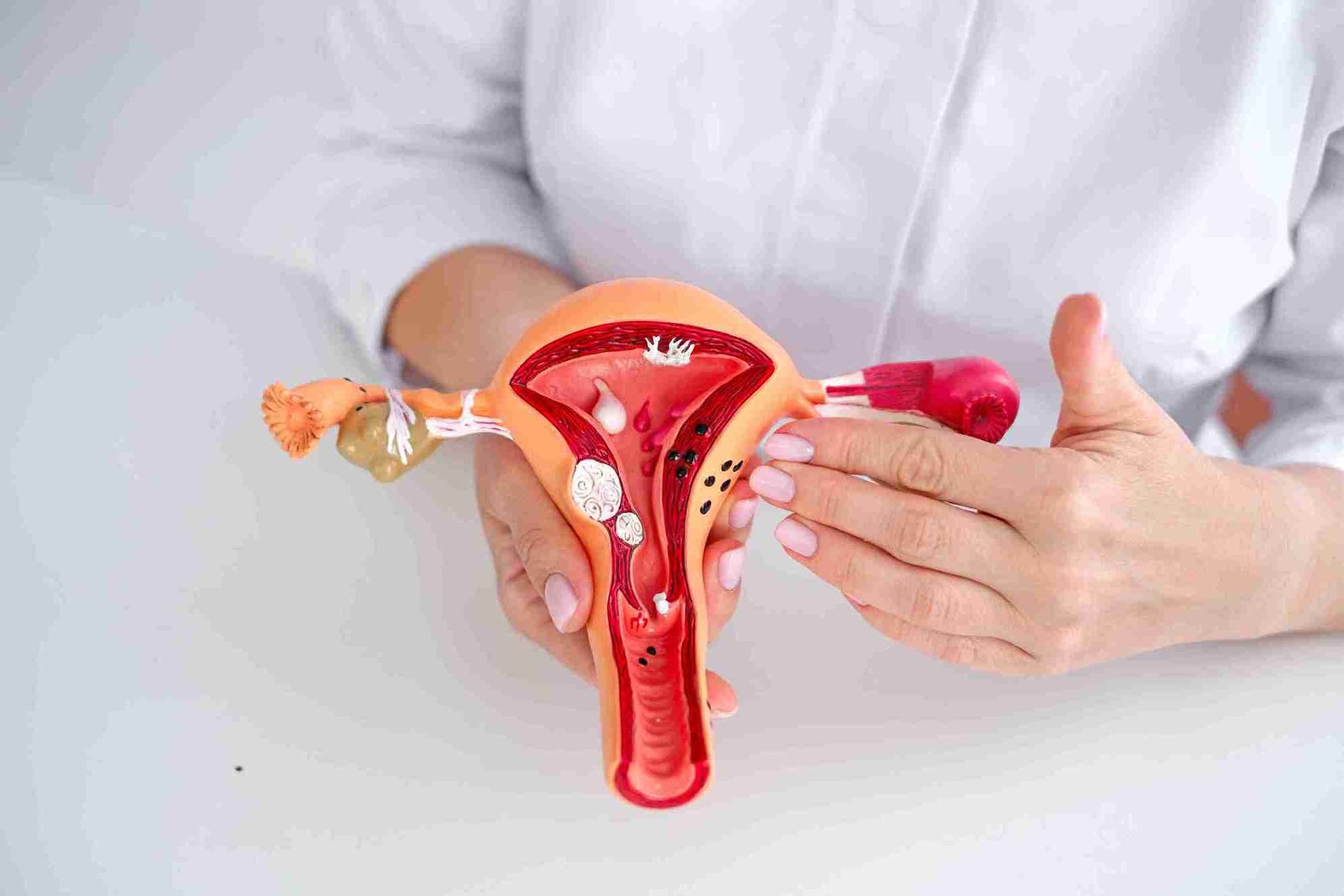
Understanding your menstrual cycle is a key part of managing your overall health. Paying attention to your cycle can help you notice patterns and identify changes that may need discussion with a healthcare provider. The field of gynecology focuses on female reproductive health, making the menstrual cycle a central element of routine care and evaluation. This regular biological process can offer insights into your well-being.
What Is Menstrual Health?
Menstrual health refers to a state of physical, mental, and social well-being in relation to the menstrual cycle. It means having access to information and being able to manage the cycle without experiencing discomfort that disrupts daily life. Good menstrual health allows you to understand what is typical for your body and recognize when something is different.
This concept extends beyond just having a period. It involves managing any symptoms that come with your cycle, like cramps or mood changes. The field of gynecology addresses these aspects, offering guidance and support for menstrual-related concerns. A provider can help you navigate the physical and emotional changes associated with menstruation.
What Changes Are Normal?
Your menstrual cycle can change throughout your life. Fluctuations are a normal part of the process, and understanding them can help you feel more prepared. These shifts can be influenced by age, lifestyle, and other factors.
Here are some common changes you might experience:
- Cycle Length: The time from the first day of one period to the first day of the next can vary. A typical cycle lasts between 21 and 35 days, but it might be shorter or longer at times.
- Flow: The amount of bleeding can differ from one month to the next. You might have lighter days followed by heavier ones within the same period.
- Duration: A period usually lasts between two and seven days. It is common for this length to change slightly over time.
- Symptoms: Premenstrual symptoms like bloating, breast tenderness, and mood swings can vary in intensity each month.
These variations are generally not a cause for alarm. Tracking your cycle can help you learn what is standard for you, making it easier to spot any significant deviations. This personal record can be a useful tool when discussing your health with a gynecology provider.
How Do Gynecologists Evaluate?
When you discuss your menstrual cycle with a gynecologist, they use several methods to evaluate your health. The goal is to understand your unique pattern and identify any underlying issues. This evaluation often starts with a detailed conversation about your menstrual history.
A provider may use the following tools and steps:
- A review of your personal and family medical history
- A physical examination, including a pelvic exam
- Blood tests to check hormone levels
- An ultrasound or other imaging tests
- A discussion about your lifestyle and diet
These steps help your provider build a complete picture of your menstrual health. The information gathered allows them to offer tailored advice and address any concerns you may have. A thorough evaluation is foundational to good gynecology care.
Consult a Gynecology Provider
Understanding your menstrual cycle is a practical step toward managing your reproductive health. Changes are a normal part of the experience, but speaking with a professional provides clarity and reassurance. A gynecology provider can help you interpret your body’s signals and answer any questions. If you notice persistent changes or have concerns about your cycle, schedule an appointment to discuss them.
Leave a Reply