
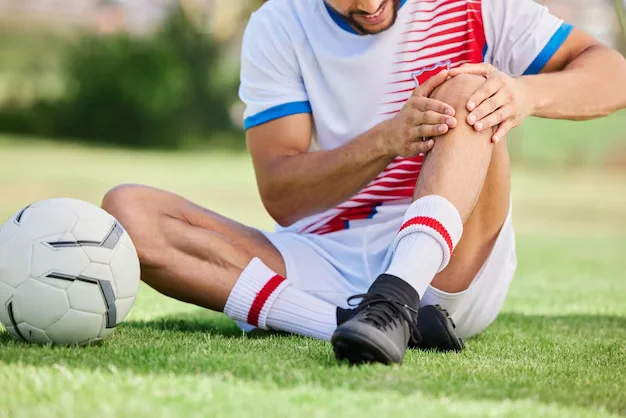
Dealing with a sport injury can be hard, so understanding common sports injuries helps you navigate the recovery process. Different injuries require specific approaches for proper healing. Because learning about your injury is the first step toward getting back, start today.
Strains and Sprains
Strains can happen when you overstretch or tear a muscle or tendon. They are often caused by sudden movements, heavy lifting, or playing sports without proper warm-up. A sport injury can involve ligaments that connect bones and occurs when you twist or land wrong on a joint. You may experience pain, swelling, bruising, and limited movement after a strain or sprain. In some cases, you might also notice muscle weakness or joint instability. Treatment often begins with rest and ice to reduce swelling. Apply ice and elevate the injured area to reduce swelling. Your doctor could also suggest elevation, and anti-inflammatory medication helps manage pain while you recover. Compression supports the joint and controls swelling.
Fractures and Stress Fractures
Fractures are breaks in a bone, and stress fractures are cracks from repeated stress. Both types of injuries result from sudden impacts, falls, accidents, or repetitive forces, such as running on hard surfaces. A fracture usually causes immediate, sharp pain, visible swelling, and sometimes a deformity or difficulty moving the limb. Stress fractures develop gradually and often start as a dull ache that worsens with continued activity. Common causes of fractures include direct trauma in contact sports or a sudden increase in training intensity. Stress fractures are more likely if you play contact sports. Besides pain and swelling, you may notice pinpoint tenderness and, in some cases, bruising around the area. Treatment depends on the severity and location of the break. Sometimes alignment is necessary, and your doctor may need to set the bone before applying a cast.
Tendonitis and Dislocations
Tendonitis is inflammation of a tendon from overuse. It is frequently triggered by repetitive motions, poor technique, or a sudden increase in activity. Common areas for tendonitis include the shoulder, elbow, knee, and Achilles tendon. You may notice aching, localized pain, swelling, and sometimes warmth in the area. Attempting to use the affected limb can worsen pain, and stiffness may develop if not addressed. Dislocation involves two bones that are normally connected, but have become separated. It is a common issue in contact sports.
The main symptom is a sharp, stabbing pain, often felt immediately after the injury. Continued activity tends to exacerbate discomfort, and swelling may occur. Both conditions cause persistent pain that worsens with activity. Early treatment focuses on rest and avoiding aggravating movements because this helps prevent further irritation. Physical therapy is part of treatment, and teaches you exercises that promote healing. Stretching and strengthening routines target the affected tissue.
Treat your Sport Injury Today
Seek a professional diagnosis to understand your specific condition. Since a healthcare provider creates a personalized treatment plan, you receive individual care for your injury. Contact a medical professional to discuss your symptoms and begin your healing journey.
Leave a Reply