
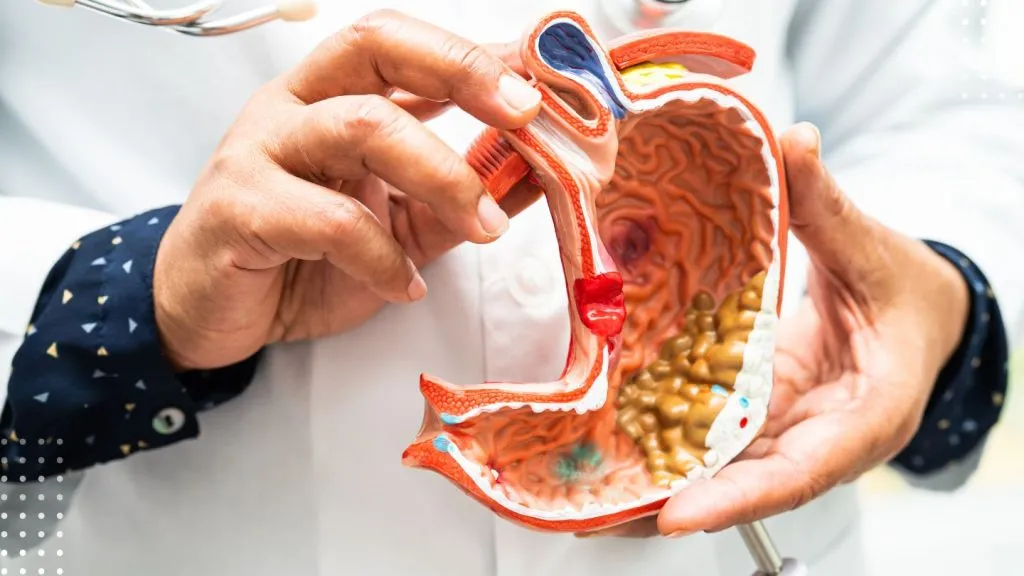
Obesity is a chronic medical condition that may necessitate intervention beyond traditional diet and exercise programs. Sleeve surgery is a procedure designed to help patients achieve substantial weight loss. This procedure modifies the anatomy of the stomach, but it relies on lifestyle changes for sustained results. Understanding the mechanics and requirements of this surgery helps patients make informed decisions about their health.
What Is Sleeve Surgery?
Sleeve surgery is a restrictive bariatric procedure that permanently alters the digestive system. Surgeons remove approximately 80% of the stomach, leaving behind a narrow, banana-shaped tube or “sleeve.” The remaining stomach holds less food, and it functions normally in the digestive tract. This reduction in size significantly limits the volume of food an individual can consume at a single sitting.
The anatomical change is permanent and cannot be reversed. Unlike gastric bypass, this surgery does not involve rerouting the intestines or altering nutrient absorption in the bowel. It focuses solely on reducing stomach capacity, so the digestive process remains largely intact.
How Does It Work?
The primary mechanism of sleeve surgery involves restrictive weight loss through reduced caloric intake. A smaller stomach capacity leads to early satiety, so patients feel full after eating small portions. This physical restriction prevents overeating and encourages the consumption of nutrient-dense foods.
What Does the Process Involve?
Candidates undergo a thorough medical evaluation to determine if they meet specific criteria for bariatric surgery. This assessment may include physical exams and extensive nutritional counseling. The medical team reviews the patient’s medical history, and they identify any potential risks before scheduling the procedure. Pre-operative preparation often involves a strict diet to reduce liver size.
After the procedure, recovery takes place at home with a phased dietary approach. Patients start with clear liquids and gradually advance to pureed foods over several weeks. Soft foods are introduced next, and eventually the patient returns to a solid-food diet. Regular follow-up appointments track healing, so doctors can address any complications immediately.
What Is Long-term Weight Management?
Surgery helps with initial weight loss, but maintenance requires permanent lifestyle changes. Patients benefit from adhering to specific dietary guidelines to prevent stomach stretching or weight regain. Protein intake becomes a priority, and vitamin supplements help prevent nutritional deficiencies. Avoiding high-calorie liquids and sugary snacks supports these ongoing efforts.
Physical activity plays an integral role in maintaining a healthy weight over time. Exercise helps burn calories, but it also preserves lean muscle mass during rapid weight loss periods. A consistent fitness routine contributes to metabolic health and overall mobility. Patients should consult their care team before starting any vigorous exercise regimen.
What Are the Benefits?
Significant weight loss typically occurs months following the operation. This weight reduction may lead to improved mobility, and patients may report an enhanced quality of life and ability to perform daily tasks. Improvements in obesity-related health conditions sometimes accompany the weight loss. Conditions such as type 2 diabetes may go into remission, or patients may require less medication to manage them.
Consult a Specialist Today
Sleeve surgery provides an option for those struggling with severe obesity. It offers better health, but success depends on a lifelong commitment to dietary and behavioral changes. Discussing individual medical needs with a qualified bariatric surgeon helps determine if this procedure aligns with specific health goals. Contact a specialist today to schedule a consultation and begin the evaluation process.
Leave a Reply