
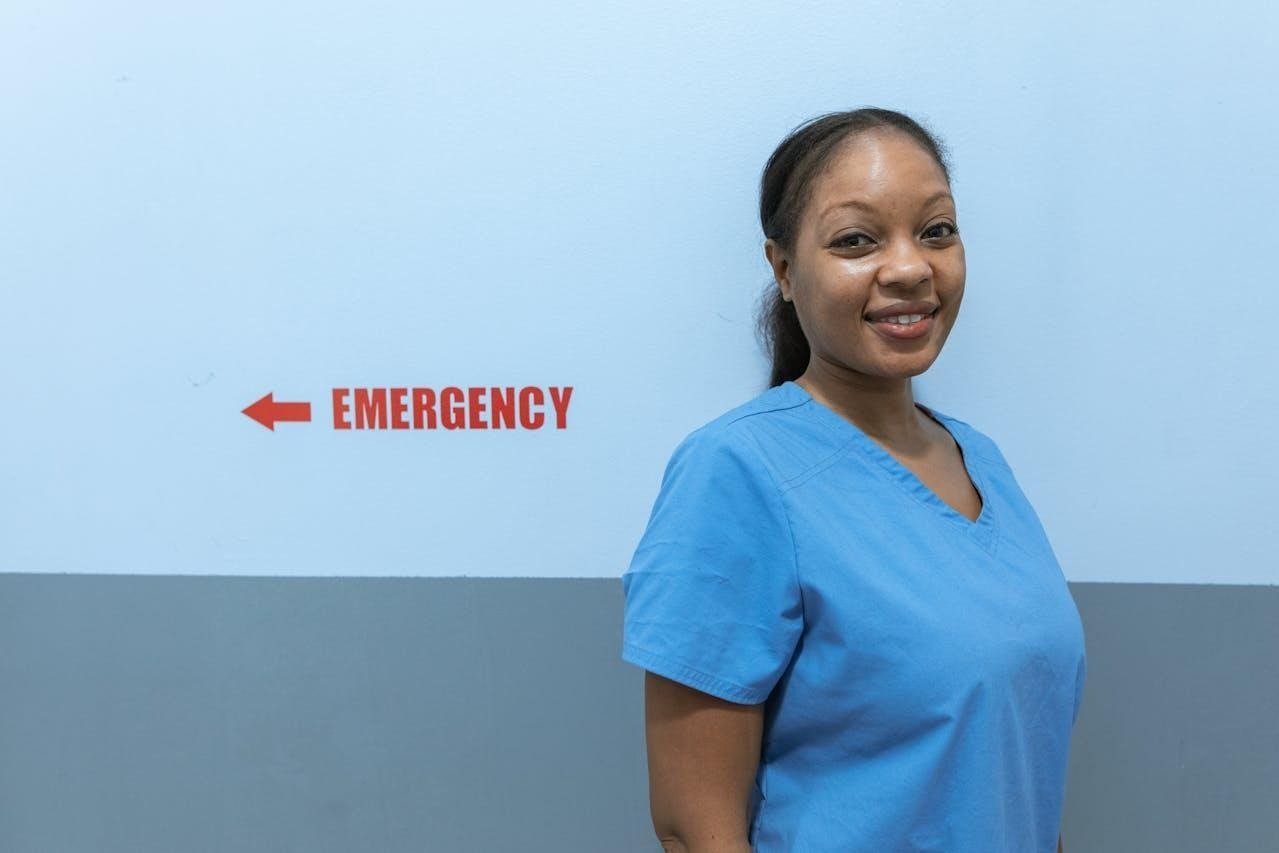
Have you ever waited longer than expected at a hospital and wondered what caused the delay? Many people assume it is just overcrowding, yet the answer often runs deeper. Healthcare systems today are under constant pressure from growing patient needs and limited resources. From emergency rooms to outpatient clinics, efficiency has become a critical concern. Skilled nursing professionals play a major role in keeping these systems running smoothly. Their ability to assess, prioritize, and act quickly affects how care is delivered every day. Recent global health challenges have made this role even more visible. Staffing shortages and rising patient numbers have highlighted how essential nurses truly are. Therefore, understanding their impact helps explain how healthcare systems function under pressure. In this blog, we will share how skilled nursing professionals improve efficiency, support patient care, and shape the future of healthcare systems.
The Role of Expertise in Streamlining Patient Care
Improving Workflow and Reducing Delays
Healthcare efficiency depends on quick, accurate decisions during patient care, and skilled nurses play a key role in making that happen. They recognize symptoms early, respond promptly, and help reduce wait times while improving overall care flow. Nurses manage multiple tasks at once, from monitoring patients to coordinating with doctors, so their efficiency keeps operations running smoothly. In overcrowded systems, their ability to stay organized helps prevent delays and complications.
Triage in emergency settings relies heavily on their judgment to prioritize urgent cases correctly. Technology like digital records also supports faster decisions, allowing nurses to deliver more accurate and timely care.
Expanding Responsibilities in Modern Healthcare
The role of nurses has expanded significantly in recent years due to changing healthcare needs. They are no longer limited to basic care tasks within hospitals. Many now take on advanced responsibilities that improve system efficiency.
An advanced nurse practitioner plays a key role in diagnosing conditions and managing patient treatment plans. This reduces the workload on physicians and allows faster access to care. Patients often receive timely attention because of this expanded role.
Healthcare systems benefit when responsibilities are distributed effectively among professionals. Nurses with advanced training can handle complex cases with confidence. Therefore, they contribute to both efficiency and quality of care.
Telehealth services have also increased the importance of skilled nursing roles. Nurses often guide patients through virtual consultations and follow-up care. This ensures that remote healthcare remains effective and organized.
The demand for advanced roles continues to grow as patient needs become more complex. Training and education help nurses meet these expectations successfully. This supports the overall efficiency of healthcare systems.
Addressing Challenges in a High-Demand Environment
Managing Workload and Preventing Burnout
Healthcare environments can be demanding, especially during periods of high patient volume. Nurses often work long hours while managing multiple responsibilities. This creates challenges that can affect both performance and well-being.
Burnout has become a widely discussed issue in the healthcare industry. Overworked staff may struggle to maintain efficiency over time. Therefore, supporting nursing professionals is essential for system stability.
Recent global events have increased awareness of these challenges. Healthcare workers faced intense pressure during peak periods, which highlighted the importance of staffing levels. Adequate support helps maintain both efficiency and morale.
Flexible scheduling and mental health resources are becoming more common in healthcare settings. These measures aim to reduce stress and improve working conditions. This allows nurses to perform their roles more effectively.
Retention strategies are also important for maintaining a skilled workforce. Experienced nurses bring valuable knowledge and efficiency to their roles. Keeping them in the system benefits both patients and organizations.
Strengthening Team Coordination and Communication
Efficient healthcare systems rely on strong communication among team members. Nurses often act as a link between patients, doctors, and other staff. This coordination ensures that information flows smoothly across the system.
Clear communication reduces the risk of errors and misunderstandings. It also helps teams respond quickly to changing situations. Therefore, skilled nurses play a critical role in maintaining accuracy and efficiency.
Interdisciplinary teamwork has become more important in modern healthcare. Nurses collaborate with specialists, technicians, and support staff regularly. This teamwork improves both patient outcomes and operational efficiency.
Training programs often focus on communication skills alongside clinical knowledge. This helps nurses manage complex interactions effectively. Strong communication supports better decision-making across the board.
Technology also supports coordination in healthcare environments. Digital tools allow real-time updates and easier access to information. This enhances collaboration and reduces delays in care.
The Future of Efficiency in Healthcare Systems
Adapting to Technological Advancements
Technology continues to reshape how healthcare systems operate and deliver services. Automation and data analysis tools are becoming more common in clinical settings. Nurses must adapt to these changes to maintain efficiency.
Electronic health records allow faster access to patient information. This reduces the time needed for documentation and improves accuracy. Therefore, technology supports more efficient workflows.
Artificial intelligence is also being introduced in certain healthcare processes. It can assist with diagnostics and patient monitoring in specific cases. However, human expertise remains essential for final decisions.
Training programs are evolving to include these technological advancements. Nurses are learning how to integrate new tools into their daily routines. This ensures that efficiency improves without compromising care quality.
Digital health services have expanded access to care for many communities. Remote monitoring and virtual consultations are becoming more common. Nurses play a key role in managing these systems effectively.
Building a More Resilient Healthcare Workforce
The future of healthcare depends on a strong and adaptable workforce. Skilled nursing professionals are central to this vision. Their expertise supports both efficiency and patient care.
Education and training will continue to shape the profession. Advanced programs prepare nurses for leadership and specialized roles. This strengthens the overall healthcare system.
Public recognition of nursing contributions has increased in recent years. This highlights the importance of their role in society. Greater appreciation can encourage more individuals to enter the field.
Healthcare systems must also focus on sustainability and long-term planning. Investing in workforce development ensures continued efficiency. Therefore, preparation becomes key for future challenges.
As healthcare continues to evolve, the role of skilled nurses will remain essential. Their ability to adapt, lead, and support systems ensures that care remains efficient and effective.
Leave a Reply