
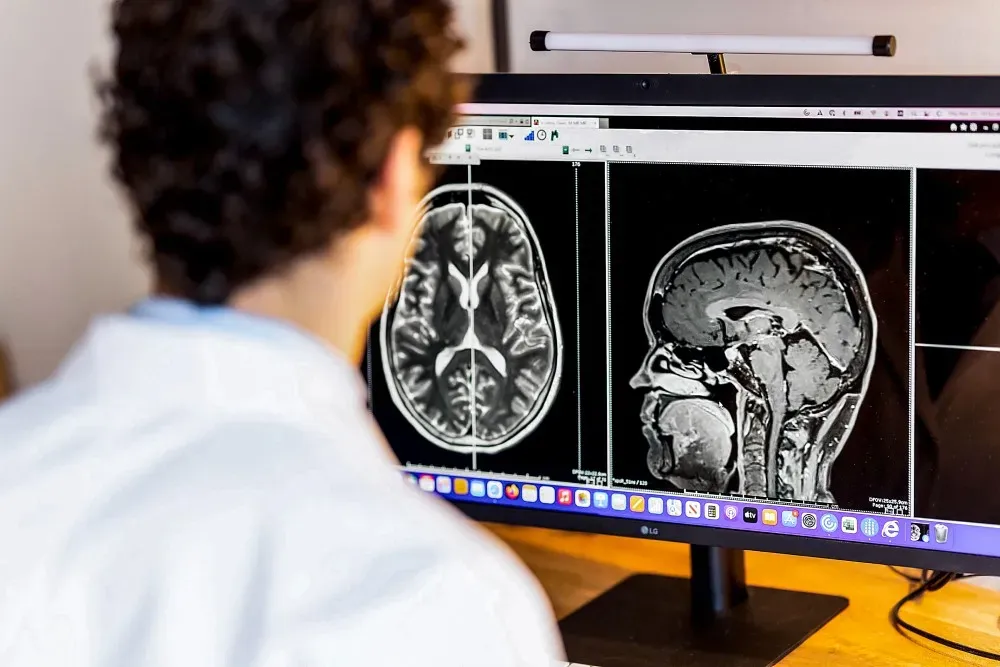
Pain management is a medical approach focused on reducing pain and improving the quality of life for those living with chronic conditions. While many associate pain relief with general practitioners or orthopedists, a neurologist can help with diagnosing and treating pain that originates from the nervous system. These specialists understand the complex pathways that transmit pain signals, making them uniquely qualified to address specific types of discomfort. By targeting the root cause of nerve-related issues, neurologists offer specialized care for conditions that might not respond to standard treatments.
Role of the Neurologist
A neurologist is a medical doctor who specializes in diagnosing, treating, and managing disorders of the brain and nervous system. Their expertise covers a wide range of conditions, including epilepsy, Alzheimer’s disease, and stroke. Because the nervous system controls sensation, these specialists can address pain that stems from nerve damage or dysfunction. They may use advanced diagnostic tools to pinpoint the source of a patient’s symptoms.
Neurologists treat various conditions, such as:
- Amyotrophic lateral sclerosis, or ALS
- Concussion and brain injury
- Multiple sclerosis
- Parkinson’s disease
- Migraines and cluster headaches
Definition of Pain Management
Pain management is a broad branch of medicine that employs an interdisciplinary approach to easing suffering and improving the quality of life of those living with chronic pain. It involves a combination of therapies, medications, and procedures tailored to the individual’s specific needs. Doctors in this field work to identify the underlying cause of the pain rather than just masking the symptoms. By addressing the biological, psychological, and social factors of pain, neurologists can create comprehensive treatment plans.
Treatment of Specific Conditions
Neurologists utilize various methods to help patients manage complex pain conditions. For cancer-related pain, they may prescribe medications that target nerve signaling to provide relief when tumors press on nerves or the spinal cord. Neuropathic pain, which often feels like burning or shooting sensations, responds well to anti-seizure medication or antidepressants that calm overactive nerve signals.
Treatments provided by neurologists often include:
- Medication management: Prescribing specific drugs that alter how the nervous system processes pain.
- Physical therapy: Recommending exercises to strengthen muscles and relieve pressure on nerves.
- Nerve blocks: Injecting anesthetics to disrupt pain signals temporarily.
- TENS therapy: Using electrical stimulation to reduce pain perception.
Musculoskeletal disorders, while affecting bones and muscles, often involve nerve compression that may improve with neurological intervention. Neck and back pain are common examples where a neurologist might diagnose a pinched nerve or spinal cord issue. By treating the neurological component, they can alleviate the pain and restore function.
Indicators for Specialized Care
Certain symptoms suggest that a patient’s pain requires the specialized attention of a neurologist. If pain is accompanied by numbness, tingling, or weakness in the limbs, it usually indicates nerve involvement. Chronic headaches or migraines that do not respond to over-the-counter medication also warrant a consultation.
Seek a neurologist if you experience:
- Sudden vision changes
- Loss of coordination or balance
- Memory loss or confusion
- Seizures or tremors
Persistent back or neck pain that radiates into the arms or legs is another strong indicator of neurological issues. A neurologist can perform electromyography, or EMG, to determine the severity of the issue. Nerve conduction studies can help the provider assess the health of the muscles and the nerve cells that control them.
Learn More About Neurology
Neurologists provide care for patients suffering from pain related to the nervous system, including cancer-related pain, neuropathic pain, and musculoskeletal disorders. Their specialized knowledge allows them to diagnose and treat complex conditions that affect the spinal cord and nerves. If you want to learn more about neurology and how it is involved in pain management, consult a neurologist today.
Leave a Reply