
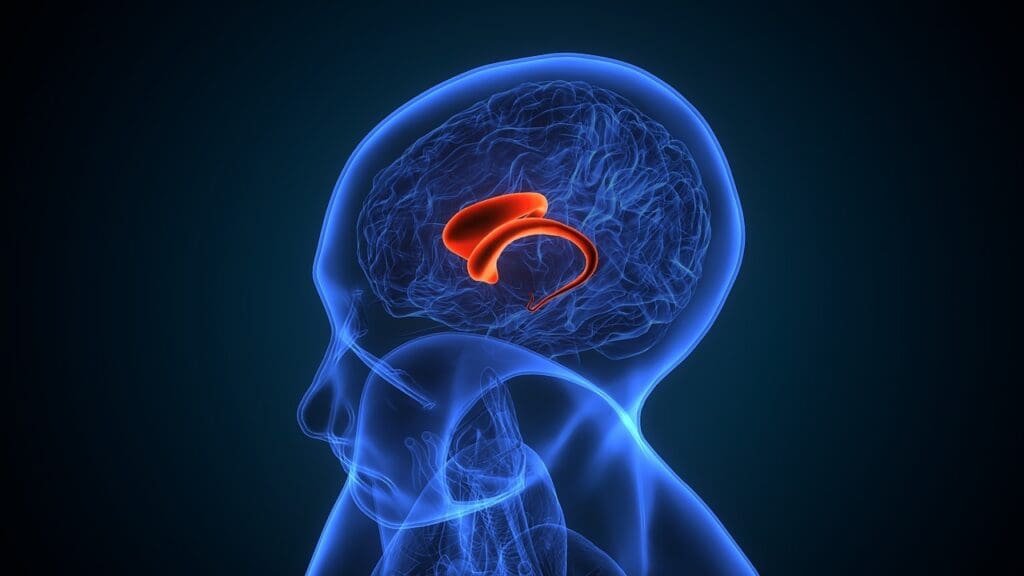
Hydrocephalus is a neurological condition that disrupts the brain’s normal function by causing the accumulation of cerebrospinal fluid. This buildup can increase pressure within the skull, and it may affect various aspects of brain function. Understanding hydrocephalus helps patients recognize symptoms early and seek appropriate medical care for better outcomes. Here is more information on the condition, its effects on cognitive function, and available treatment approaches:
What Is Hydrocephalus?
Hydrocephalus occurs when cerebrospinal fluid accumulates in the brain’s ventricles, causing them to enlarge. Cerebrospinal fluid normally flows through the ventricles and cushions the brain, but a blockage or absorption problem can disrupt this flow. The resulting pressure on brain tissue may affect neurological function and cognitive abilities.
The condition can be congenital or acquired at any age. Congenital hydrocephalus is present at birth, while acquired hydrocephalus develops due to injury or disease. Both types require medical evaluation and treatment to prevent complications.
What Causes It?
Several factors can lead to hydrocephalus, and the specific cause varies from person to person. In infants, the condition may result from developmental problems during pregnancy or complications during birth. Genetic factors can also play a role in some cases. Acquired hydrocephalus develops from various medical conditions.
What Are the Symptoms?
Symptoms vary with age and the rate of fluid accumulation. In infants, signs include rapidly increasing head circumference, a bulging soft spot on the top of the head, and developmental delays. Other symptoms may include irritability, poor feeding, and downward eye deviation. Older children and adults experience different symptoms; headaches, nausea, vision problems, and balance difficulties are common manifestations.
How Is Cognitive Development Affected?
Hydrocephalus can substantially impact cognitive development, especially in children. Increased pressure on brain tissue interferes with normal neural pathways and the development of brain structure; this disruption may lead to learning difficulties, executive function problems, and challenges in processing information. Memory formation and retrieval may also be compromised in individuals with hydrocephalus.
Attention span can be shortened, and problem-solving abilities may be affected. The severity of cognitive impact varies based on when the condition develops, how quickly it progresses, and how promptly treatment is initiated. Early intervention and appropriate treatment help minimize these effects and support better cognitive outcomes.
What Are the Treatment Options?
Two primary surgical treatments are available for hydrocephalus. Shunt placement involves inserting a flexible tube system that drains excess cerebrospinal fluid from the brain to another part of the body where it can be absorbed. The shunt typically runs from the brain ventricles to the abdominal cavity, and it includes a valve that regulates fluid flow.
Endoscopic third ventriculostomy is an alternative treatment option for certain patients. This procedure creates a new pathway for cerebrospinal fluid to flow by making a small opening in the floor of the third ventricle. The fluid can then bypass the blockage, and it flows toward the brain’s surface for absorption.
Treatment selection depends on the type of hydrocephalus, the patient’s age, and the underlying cause. Both procedures carry different benefits, and ongoing monitoring is necessary after treatment. Regular follow-up appointments help medical professionals assess treatment effectiveness and make adjustments when needed.
Learn More From a Specialist
Hydrocephalus impairs cognitive development by increasing intracranial pressure, but timely treatment helps improve outcomes. Understanding the condition’s causes, symptoms, and treatment options helps patients and families make informed decisions about care. If you or your child displays symptoms of hydrocephalus, consult a specialist for proper evaluation and treatment planning.
Leave a Reply