
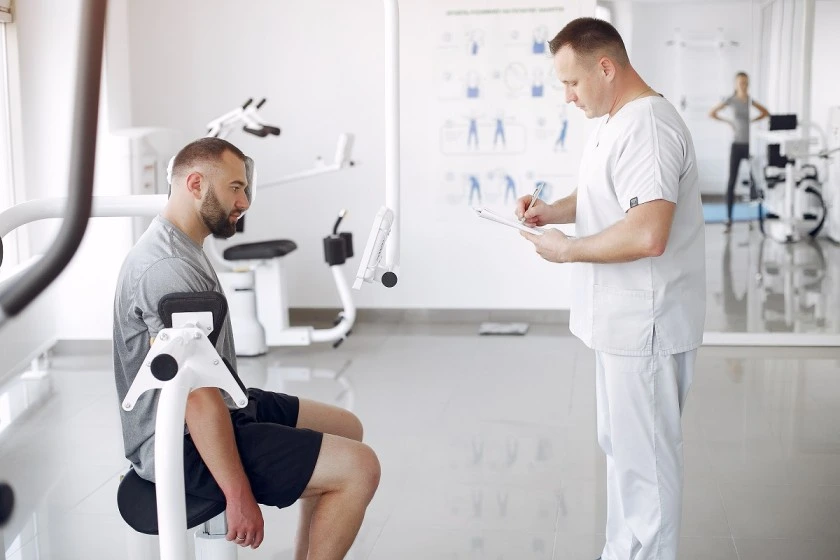
Participation in organized sports offers numerous advantages for physical health and places substantial demands on the body. A sports physical exam assesses an individual’s readiness for these activities, and it helps identify potential risks before the season begins. Here is more information on this exam and how you can prepare:
What Is a Sports Physical?
A sports physical is a specialized medical assessment designed to determine if an individual is physically capable of participating in a specific sport. The provider reviews the patient’s medical history and current physical condition, and they assess whether any underlying issues pose a risk during physical exertion. This exam focuses on aspects relevant to athletic performance and safety rather than general wellness.
The examination differs from a routine annual check-up. A standard annual physical addresses overall health and development, while a sports physical concentrates on preventing sport-specific injuries. A sports physical does not replace regular medical care, but serves as a supplementary safety measure for athletes.
Why Is It Conducted?
The primary objective of a sports physical is to determine the athlete’s safety during training and competition. Identifying pre-existing conditions helps prevent medical emergencies, and it allows the medical team to manage risks such as asthma effectively. Without this screening, athletes may unknowingly participate with conditions that physical stress could exacerbate.
The exam provides a baseline for the athlete’s health status. If an injury occurs during the season, medical professionals can compare post-injury data with baseline data, and this comparison helps inform accurate return-to-play decisions. This data is valuable for monitoring an athlete’s physical changes over time.
What Does the Process Involve?
The medical history portion of the exam is extensive, and it requires detailed information about the athlete and their family. The provider may ask about previous injuries, surgeries, and hospitalizations, as well as any history of dizziness, fainting, or chest pain during exercise. Accurate reporting in this section is key to a valid assessment.
During the physical examination, the provider measures vital signs, including height, weight, blood pressure, and pulse. They will check the heart and lungs for abnormalities, and they also evaluate the athlete’s vision. These metrics provide information on the athlete’s current physiological function.
The musculoskeletal exam assesses the strength, flexibility, and range of motion of major joints. The provider examines the neck, back, shoulders, hips, knees, and ankles, and they may look for evidence of previous injuries that have not fully healed. This structural evaluation helps predict susceptibility to future orthopedic issues.
What Are the Benefits?
One benefit is the identification of silent health issues that may otherwise go unnoticed. Conditions such as heart murmurs or hypertension often present no obvious symptoms, but a thorough physical helps detect these abnormalities early. Early detection allows for timely intervention and management plans. The process also establishes a professional partnership between the athlete and the medical provider, facilitating better communication.
How Can You Prepare?
Preparation for a sports physical requires gathering all necessary medical documentation beforehand. This includes:
- List of current medications
- Details of past injuries
- Immunization records
- Information regarding any allergies
- Family history of cardiac issues
It is also beneficial to prepare a list of questions regarding sports participation.
Know What To Expect
Understanding the components and purpose of a sports physical helps athletes prepare for the exam. This assessment serves as a valuable safety protocol, and it verifies that an individual can meet the physical demands of their chosen sport. Schedule your appointment today to confirm your eligibility and readiness for the upcoming season.
Leave a Reply