
Back pain is an ailment affecting many adults, and a herniated disc is sometimes the underlying cause. This condition occurs when the soft center of a spinal disc protrudes through a crack in the outer casing. Understanding available treatment options helps patients make informed decisions about their spinal health.
What Is a Herniated Disc?
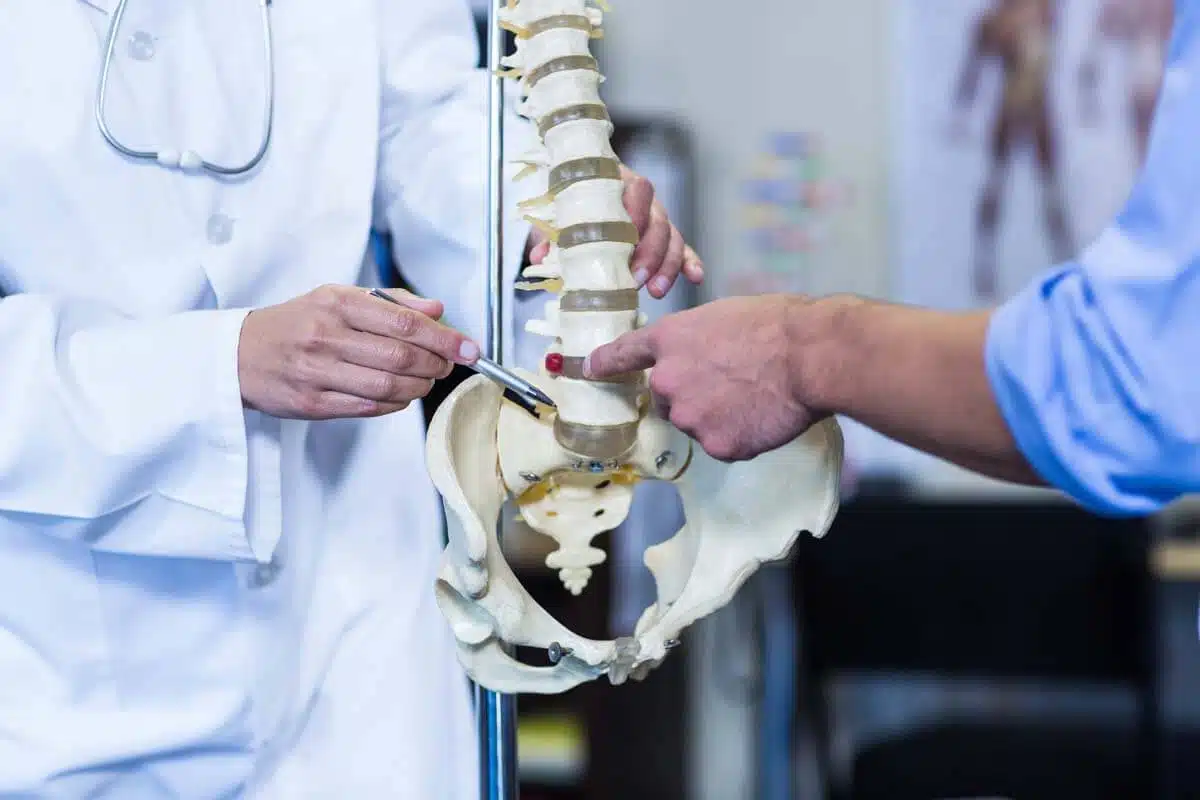
The spine consists of individual bones called vertebrae that are stacked on top of one another. Rubber-like cushions known as discs sit between these vertebrae, acting as shock absorbers during movement. A herniated disc can compress nearby nerves, and this may result in significant discomfort or functional impairment.
What Causes It?
Disk degeneration is a common cause of herniated discs, resulting from gradual, age-related wear and tear. As individuals age, their spinal discs lose water content, and they become less flexible and more prone to tearing. Excessive strain while lifting heavy objects can also lead to a herniation.
Risk factors include excess body weight, which causes extra stress on the disks in the lower back. Occupation plays a role, for people with physically demanding jobs may have a higher risk of back problems. Genetics also contributes to the condition, with some people inheriting a predisposition to developing herniated discs.
What Are the Symptoms?
Symptoms vary depending on where the disc is situated and whether it is pressing on a nerve. Most herniated discs occur in the lower back, but they can also occur in the neck. If the herniation compresses a nerve, pain may radiate into the buttocks and down the leg.
Patients may report numbness or tingling in the area supplied by the affected nerves. Muscles supplied by the affected nerves tend to weaken, and this can cause stumbling or an inability to lift or hold items. Sharp or burning pain is another symptom experienced by some patients.
What Are the Treatment Options?
Treatment plans typically begin with conservative methods to manage symptoms and improve function. Medication and physical therapy are standard initial approaches, yet some cases require more advanced interventions. Modifications to daily activities may help relieve pressure on the nerve root.
Platelet-rich plasma (PRP) injections utilize a patient’s own blood cells to accelerate healing in a specific area. A specialist draws a blood sample, and they use a centrifuge to concentrate the platelets before injection. This therapy aims to reduce pain and improve function without the need for an invasive surgical procedure. Surgery becomes an option when conservative treatments fail to alleviate severe symptoms or if muscle weakness persists.
How Is Professional Guidance Beneficial?
A doctor will perform a physical exam, and they may order imaging tests such as X-rays or MRI scans. These diagnostic tools pinpoint the exact location of the herniation and measure the extent of nerve compression. Specialists develop personalized treatment plans based on specific medical history and symptom severity. Navigating the choice between conservative management and surgical intervention requires expert input, and a professional assessment clarifies each option.
Explore Your Options Today
Living with a herniated disc affects daily life, but effective treatments are available to restore mobility and comfort. Early intervention helps prevent further nerve damage, and it may lead to better long-term outcomes for the patient. Schedule an appointment today to discuss your condition and foster a healthier spine.
Leave a Reply