
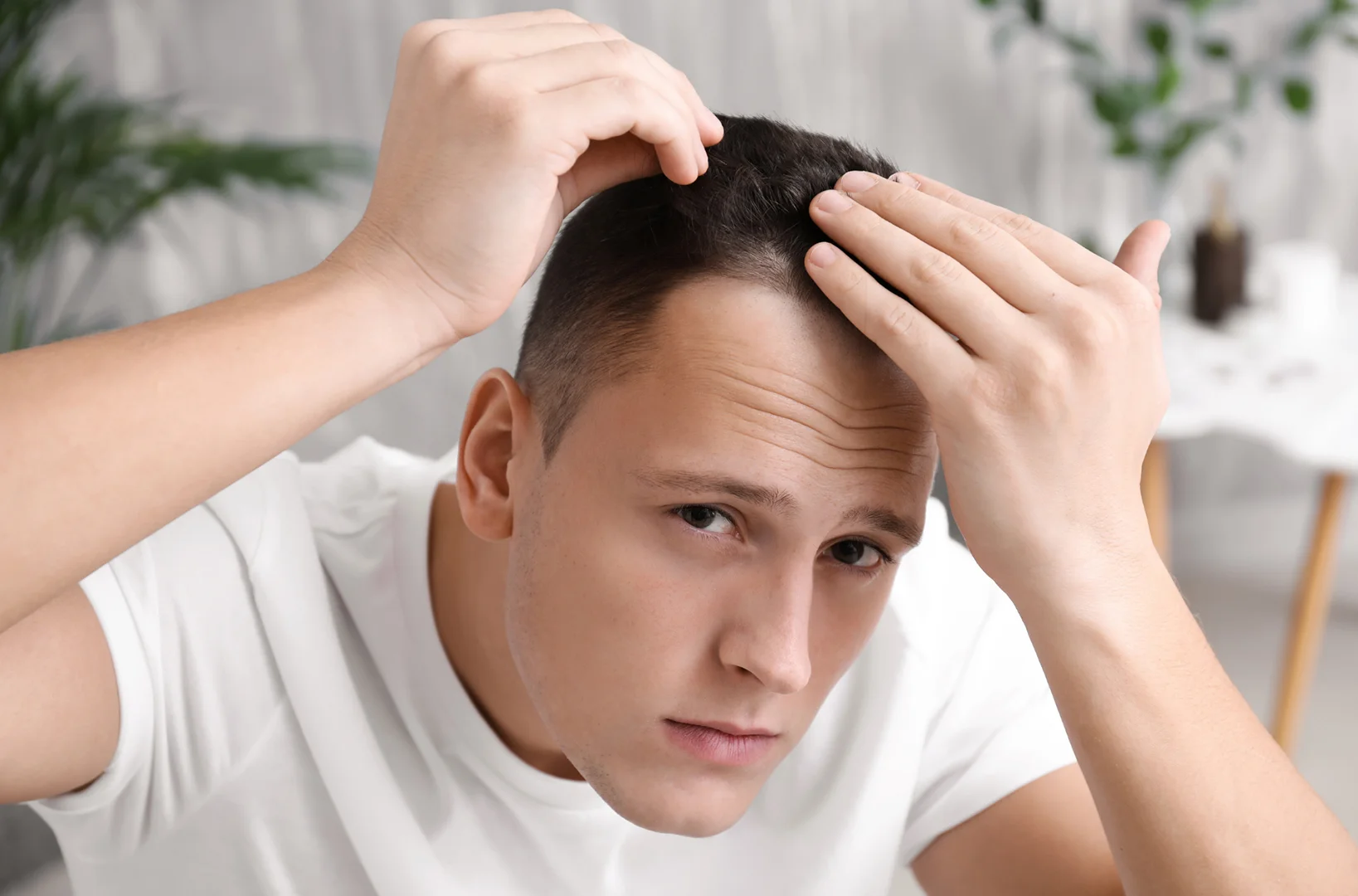
Hair loss affects many people, prompting them to explore different avenues for hair restoration. Understanding the available options is a key step for anyone looking into this field. Here is information on hair loss types and the methods developed to address them to help you learn more about the process.
What Types Of Hair Loss Exist?
Recognizing the type of hair loss you are experiencing can help you understand your situation better. Many factors contribute to hair thinning and loss, and a few common patterns are widely recognized.
Androgenetic Alopecia
Androgenetic alopecia is a common form of hair loss in both men and women. For men, it often presents as a receding hairline and thinning at the crown, a pattern sometimes called male-pattern baldness. For women, it typically involves diffuse thinning across the entire scalp, with the frontal hairline usually remaining intact. This type of hair loss has a genetic component and can begin at various ages.
Alopecia Areata
Alopecia areata is an autoimmune condition that causes hair to fall out in small, often round patches. These patches may appear on the scalp and other parts of the body. The condition can affect anyone at any age. In some cases, the hair may grow back on its own after some time, while in others, the hair loss can be more extensive.
Telogen Effluvium
Telogen effluvium is a temporary form of hair shedding. It happens when a significant stressor, like a major illness, surgery, or emotional distress, causes a large number of hairs to enter the shedding phase of the hair growth cycle at the same time. This leads to noticeable thinning several months after the event. Hair growth typically resumes once the body recovers.
What Hair Restoration Methods Are There?
Once a person understands their hair loss type, they can explore various hair restoration methods. These techniques range from surgical procedures to non-surgical treatments. Each approach works differently to help create a fuller appearance.
Here are some common methods:
- Follicular Unit Transplantation (FUT): This surgical technique involves removing a small strip of tissue from the back of the scalp, where hair is typically more dense. The strip is dissected into individual follicular units, which are then transplanted to the balding or thinning areas of the scalp.
- Follicular Unit Extraction (FUE): This is another surgical method where individual follicular units are extracted directly from the scalp using a small, specialized tool. These follicles are then transplanted to the recipient areas. This technique avoids the linear scar associated with FUT.
- Topical Treatments: Over-the-counter solutions often contain ingredients like minoxidil. These are applied directly to the scalp to help slow hair loss and, in some cases, stimulate new growth. They require consistent, long-term use.
- Platelet-Rich Plasma (PRP) Therapy: This non-surgical treatment uses a concentration of a patient’s own platelets. A sample of blood is drawn and processed to separate the platelets, which are then injected into the scalp to help encourage hair growth.
These methods offer different approaches to hair restoration. The suitability of each option depends on individual circumstances, including the type and extent of hair loss.
What Results Are Expected?
The outcomes of hair restoration can vary widely among individuals. Factors such as the specific method used, the extent of the hair loss, and the quality of the donor hair can influence the final appearance. Patience is also part of the process, as visible results are not immediate.
Following a surgical procedure like FUT or FUE, the transplanted hairs will often shed within a few weeks. New hair growth typically begins to appear within three to four months. It may take up to a year or even longer for the full results to become apparent as the hair grows, thickens, and matures. The goal is to create a natural-looking improvement in hair density.
Non-surgical treatments like topical solutions or PRP therapy may require ongoing sessions or continuous application to maintain their effects. Results from these methods can also take several months to become noticeable. They may help slow the progression of hair loss and improve the thickness of existing hair.
Consult a Specialist
Professional guidance can provide clarity when navigating the world of hair restoration. Speaking with a qualified specialist is a practical next step. A professional can assess your specific situation and discuss the options that align with your needs. To learn more and receive personalized advice, schedule a consultation with an experienced hair restoration specialist.
Leave a Reply