
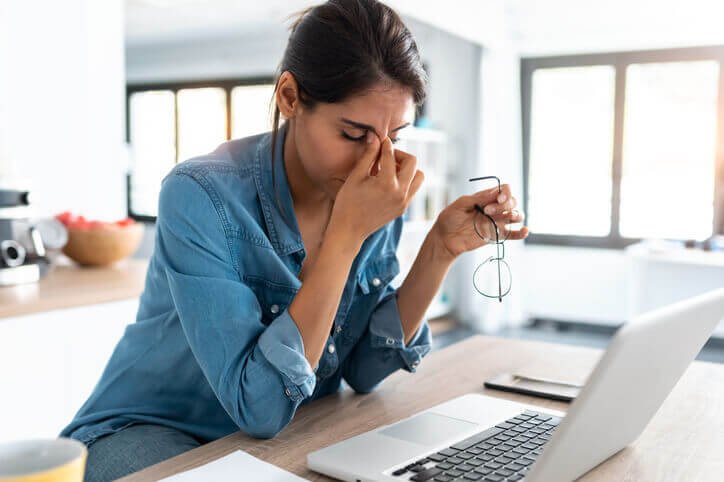
A headache pain in the head that may radiate down to the upper neck. Stress acts as the body’s method of reacting to a challenge or demand, and it triggers physical changes. When stress levels rise, the body releases chemicals that cause muscle tension and blood vessel changes. These physical shifts in response to tension and stress can cause headaches.
Stress Headache Basics
Tension-type headaches are the most common form of head pain among adults. They generally present with feelings of tightness in the forehead or back of the head. Because psychological pressure causes muscles in the neck and scalp to contract, this tension creates a dull, aching sensation. The pain is usually mild to moderate, but it can disrupt daily activities.
Muscle tightness drives this condition. When you feel anxious, your shoulders tense up toward your ears, and you may notice your jaw clenches tight. You might not notice this physical reaction until the pain begins. This physical strain eventually leads to discomfort that radiates across the scalp.
Stress Reduction Strategies
Managing daily pressure serves as the primary method for treating or preventing pain. You can adopt several lifestyle changes, and these habits help promote lower overall anxiety levels. Regular physical activity releases endorphins that act as natural painkillers. Here are some ways to relieve stress:
- Practice deep breathing techniques daily.
- Prioritize a consistent sleep schedule.
- Limit caffeine and alcohol consumption.
- Schedule time for hobbies you enjoy.
Cognitive behavioral therapy may help you cope with stressful situations. A therapist teaches you how to recognize negative thought patterns. Once you identify these patterns, you can change how you react to stressful situations. This mental shift may help reduce the physical burden on your body, so you feel less tension.
Effective Treatment Options
Over-the-counter pain relievers effectively manage acute symptoms. Ibuprofen reduces inflammation, and acetaminophen blocks pain signals to the brain. If you use effective home remedies, you may get relief without pharmaceuticals. Applying a heating pad to the neck relaxes tight muscles, and an ice pack might numb the pain and reduce inflammation.
Since stress originates in the mind, relaxation techniques also alleviate the physical symptoms. You can take a hot bath, or you might listen to calming music. Here are some other activities that can help manage the symptoms of headaches:
- Take a hot shower to relax muscles.
- Receive a professional massage.
- Rest in a quiet, dark room.
- Medical Attention Signs
Most tension-related pain does not indicate a serious medical emergency; there are specific symptoms that could warrant professional evaluation. If the pain feels sudden and severe, seek medical care immediately. A headache accompanied by a fever could require urgent attention, and confusion is another warning sign.
Learn More About Headaches
Stress affects physical health and manifests as tension pain. You can manage the symptoms through lifestyle changes, and over-the-counter treatments provide relief. Although these coping strategies work for many, chronic pain requires professional insight. If you want to learn more about headaches and how to treat or prevent them, consult a healthcare provider near you.
Leave a Reply