
Starting a career in nursing can feel both exciting and overwhelming. You may already know that nursing is a stable and rewarding profession, but figuring out how to begin is often the hardest part. With so many educational paths, requirements, and specialties, it’s easy to feel unsure about where to start.
The demand for nurses continues to grow, which means there are more opportunities than ever to enter the field. Whether you’re just finishing school or thinking about a career change, nursing offers a clear path toward meaningful work. You’ll not only build a stable career, but you’ll also have the chance to make a real difference in people’s lives every day.
The key is to take things step by step. You don’t need to have everything figured out right away. By understanding your options and starting with the right foundation, you can begin your journey with confidence. It all starts with choosing the right educational path that fits your goals and timeline.
Starting Your Nursing Journey with the Right Education Path
Your journey into nursing begins with education. Before you can step into a clinical role, you need to build a strong foundation of knowledge and skills. There are different ways to enter the field, but one of the most practical and accessible options is starting with a Nursing Associates Degree. This type of program is designed to give you the essential training you need to begin working in healthcare within a shorter time frame.
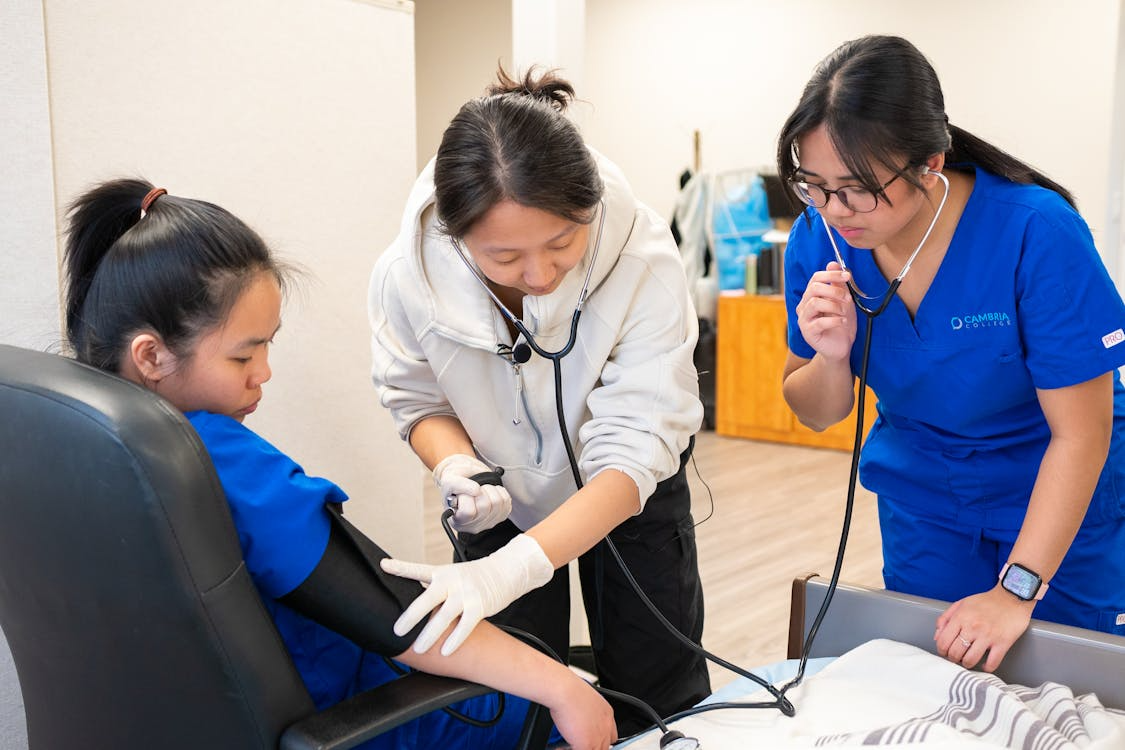
These programs typically focus on both classroom learning and hands-on clinical experience. You’ll learn the basics of patient care, medical procedures, and how to work in a healthcare environment. This balance of theory and practice helps you feel prepared when you step into real-world situations.
One of the biggest advantages of this path is how quickly you can enter the workforce. Compared to longer degree programs, it allows you to start gaining experience sooner. At the same time, it doesn’t limit your future options. Many nurses begin this way and later continue their education while working.
Choosing the right program is important. Look for one that offers structured learning, practical training, and support throughout your studies. This will help you build confidence and develop the skills you need to succeed.
Understanding the Skills Needed to Succeed in Nursing
While education is essential, your success in nursing also depends on the skills you bring to the role. Nursing is not just about medical knowledge—it’s about how you interact with people and handle real-life situations.
Communication is one of the most important skills you’ll need. You’ll be speaking with patients, families, and other healthcare professionals every day. Being clear, calm, and understanding can make a big difference in how patients feel and how well a team works together.
Empathy is just as important. Patients are often going through stressful or painful experiences, and your ability to show compassion can help them feel more comfortable and supported.
You’ll also need strong critical thinking skills. In many situations, you’ll have to make quick decisions based on the information available. Paying attention to detail is key, as even small mistakes can have serious consequences.
The good news is that these skills develop over time. As you gain experience and continue learning, you’ll become more confident in your abilities.
Gaining Hands-On Experience Early
Hands-on experience is a big part of becoming a nurse. While classroom learning gives you the foundation, real-world practice helps you understand how everything works together.
During your training, you’ll likely take part in clinical rotations. These allow you to work in healthcare settings under supervision, giving you a chance to apply what you’ve learned. It’s also a great way to see different areas of nursing and understand what each role involves.
If possible, consider taking on entry-level roles in healthcare while studying. Positions like nursing assistant or patient care technician can give you valuable experience and help you feel more comfortable in a clinical environment.
These early experiences are important because they build your confidence. You’ll learn how to interact with patients, manage your time, and handle challenges in real situations. Over time, this practical knowledge becomes one of your greatest strengths.
Exploring Different Nursing Career Paths
One of the best things about nursing is the variety of career paths available. Once you enter the field, you’re not limited to one type of role. Instead, you have the freedom to explore different areas and find what suits you best.
Some nurses choose to work in hospitals, where the environment is fast-paced and constantly changing. Others prefer community health settings, where they can build long-term relationships with patients. There are also opportunities in areas like pediatrics, emergency care, and mental health.
At the beginning of your career, it’s helpful to keep an open mind. You may not know exactly what you enjoy until you’ve experienced different environments. Over time, you’ll start to notice what feels right for you.
The flexibility within nursing allows you to grow and adapt. As your interests change, you can explore new specialties or take on different roles.
Tips for Staying Motivated and Managing Challenges
Like any career path, nursing comes with challenges. You may face academic pressure, long hours, and emotional situations. Staying motivated during these times is important.
One way to manage this is by creating a routine that works for you. Good time management can help you balance your studies, work, and personal life. Breaking tasks into smaller steps can also make things feel more manageable.
Having a support system is just as important. Whether it’s family, friends, or classmates, having people who understand your journey can make a big difference.
Don’t forget to take care of yourself. Nursing can be demanding, so it’s important to rest, recharge, and maintain your own well-being. Taking care of yourself helps you stay strong and focused.
Beginning your journey in nursing may feel challenging at first, but it’s also full of opportunity. By choosing the right education path, developing essential skills, and gaining hands-on experience, you can build a strong foundation for your career.
Remember, you don’t have to figure everything out right away. Take it one step at a time, stay open to learning, and trust your progress. Nursing is more than just a job—it’s a chance to make a meaningful impact on people’s lives.
With the right mindset and commitment, you can move forward with confidence and create a career that is both fulfilling and rewarding.
Leave a Reply