
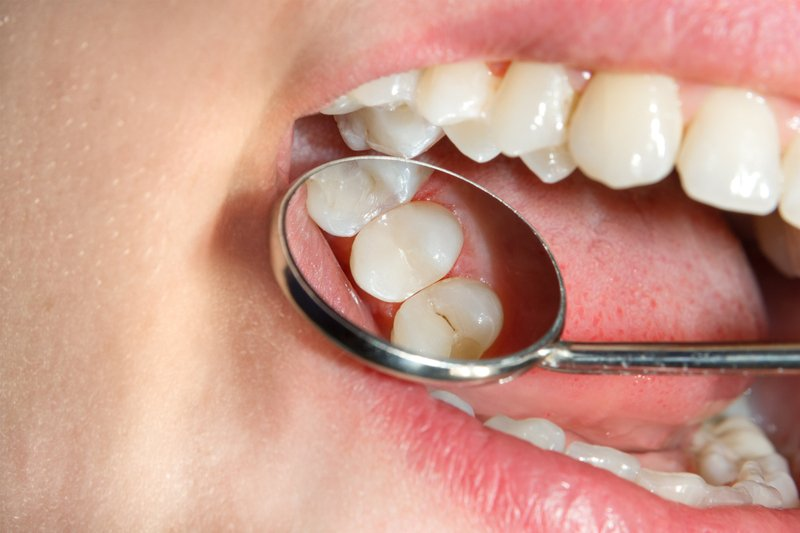
If you experience tooth pain several months after a filling, you should know that this is not considered normal, although it is quite common.
Sometimes, the tooth changes over time or the filling may settle unevenly, leading to delayed discomfort. While this situation is not rare, it indicates that your tooth should be examined to prevent further complications.
Common Reasons Your Tooth Filling Hurts After Months
Pain that develops months after a dental filling often indicates that something has changed in the tooth or the filling over time. This type of discomfort doesn’t usually appear suddenly without a reason—it can be linked to pressure, wear, hidden decay, or even habits like grinding your teeth. Understanding these causes in more detail can help you identify what might be happening and why it’s important to get it checked early.
Bite Misalignment That Creates Uneven Pressure on the Tooth While Chewing
A filling that sits slightly higher than your natural bite can place constant pressure on the tooth every time you chew, which may not be noticeable at first but can gradually lead to soreness, sensitivity, and even pain when biting down.
Tooth Decay Forming Beneath or Around the Filling Due to Bacterial Leakage
Over time, small gaps can form between the filling and the tooth, allowing bacteria to enter and cause new decay underneath, which often leads to increased sensitivity, lingering pain, or discomfort when eating sweet or cold foods.
Cracked, Damaged, or Worn-Out Filling That Exposes Sensitive Tooth Structures
As fillings age, they can weaken, crack, or wear down from daily use, which may expose the inner layers of the tooth and result in sharp pain, especially when chewing or when the tooth is exposed to temperature changes.
Nerve Irritation or Pulp Inflammation Caused by Deep or Long-Term Filling Stress
If the filling is close to the tooth’s nerve, ongoing pressure or irritation can gradually inflame the pulp inside the tooth, leading to persistent sensitivity to hot or cold foods and, in more severe cases, throbbing pain.
Teeth Grinding or Chronic Bruxism Adding Repeated Stress to Filled Teeth Over Time
Habitual grinding or clenching, especially during sleep, can put excessive force on filled teeth, weakening the filling and surrounding tooth structure, which may result in delayed pain, fractures, or increased sensitivity.
Allergic or Sensitivity Reaction to the Materials Used in the Dental Filling
Although uncommon, some individuals may develop sensitivity or a mild allergic reaction to certain filling materials, which can cause discomfort, irritation, or unusual sensations in the affected tooth over time.
Treatment Options for Painful Fillings
| Issue | Treatment |
| High filling | Adjust the bite to remove pressure |
| Decay under filling | Replace the filling |
| Nerve damage | Perform a root canal if necessary |
| Cracked filling | Repair or replace with a crown |
| Grinding damage | Use a night guard |
The right treatment depends on the cause, but most solutions are straightforward and effective once addressed.
Symptoms You Should Not Ignore
Certain signs suggest that your filling needs professional evaluation. Pain when biting down may indicate uneven pressure, while sensitivity that lingers could signal nerve involvement. Swelling, a bad taste, or worsening discomfort are also warning signs. If the pain becomes strong enough to disturb your sleep or daily routine, it’s important to take it seriously and seek care.
How Dentists Diagnose the Problem
When you visit a dentist for tooth filling pain months later, they will use simple but effective methods to find the cause. X-rays help detect decay beneath the filling, bite tests reveal pressure issues, and sensitivity checks show how the nerve is responding. These steps allow the dentist to quickly determine what’s wrong and recommend the right treatment.
When Should You See a Dentist?
If your filling pain continues after a few weeks or gradually gets worse, it’s best to see a dentist. This is especially important for children, as untreated discomfort can affect their eating and overall oral health. Visiting a family dentistry in Arlington or a nearby city can help you receive the right diagnosis and treatment quickly, ensuring long-term comfort and dental health.
Frequently Asked Questions
How long should a filling hurt after a procedure?
Mild discomfort usually lasts a few days to two weeks, but longer pain should be checked.
Can a filling get infected months later?
Yes, bacteria can enter through small gaps and cause decay or infection.
Why does my filling hurt when I bite down?
This is often due to a high filling or uneven pressure on the tooth.
Do fillings go bad over time?
Yes, fillings can wear out and may need replacement after several years.
Is it normal for kids to complain after a filling?
Some discomfort is normal, but ongoing pain should not be ignored.
Can I treat filling pain at home?
Home remedies may help temporarily, but professional care is needed for a permanent fix.
When does a filling need to be replaced?
When there is pain, damage, or signs of decay around the filling.
Conclusion
Pain from a filling months later can feel unexpected, but it’s usually a sign of a specific issue that can be treated effectively. Whether it’s a minor bite adjustment, wear and tear, or underlying decay, addressing the problem early helps prevent more serious dental procedures. This is especially important for children, whose teeth are still developing and need extra care. If you notice ongoing discomfort, don’t ignore it—getting timely dental care can restore your comfort and keep your smile healthy for years to come.
Leave a Reply