
Degenerative disc disease is a medical condition affecting the structural integrity of the spinal discs over a prolonged period. These discs, which cushion the vertebrae, lose their structural integrity over time, and learning more about this degenerative condition facilitates informed decision-making. Here is more information on this condition, including its causes, symptoms, and management options:
What Is Degenerative Disc Disease?
The human spine consists of individual vertebrae separated by specialized spinal discs that function as shock absorbers. These discs contain a soft inner core, and a tough, fibrous outer layer surrounds this core. Degenerative disc disease occurs when these structures gradually break down. This continuous deterioration leads to observable structural changes in the spinal column.
The condition most frequently impacts the lower lumbar region or the cervical region of the neck. The spinal discs lose their height as the degradation progresses, and the surrounding vertebrae can begin to rub against one another. This physical friction creates stress within the spinal anatomy. Medical imaging can identify these specific physical changes within the affected discs, which helps form a comprehensive treatment plan.
What Causes It?
The primary cause of this condition is the natural aging process, during which spinal discs slowly lose water content. This gradual dehydration makes the discs less flexible. The reduction in fluid diminishes the discs’ capacity to absorb mechanical shock effectively, and this drying process is a standard component of biological aging.
Daily physical wear and tear also contribute to the progressive deterioration of the tough outer layer. Small tears develop in the fibrous exterior, and the softer inner core subsequently bulges outward. Acute physical injuries or repetitive mechanical stress can accelerate this degradation timeline, compounding the natural aging effects on the spinal anatomy.
What Are the Symptoms?
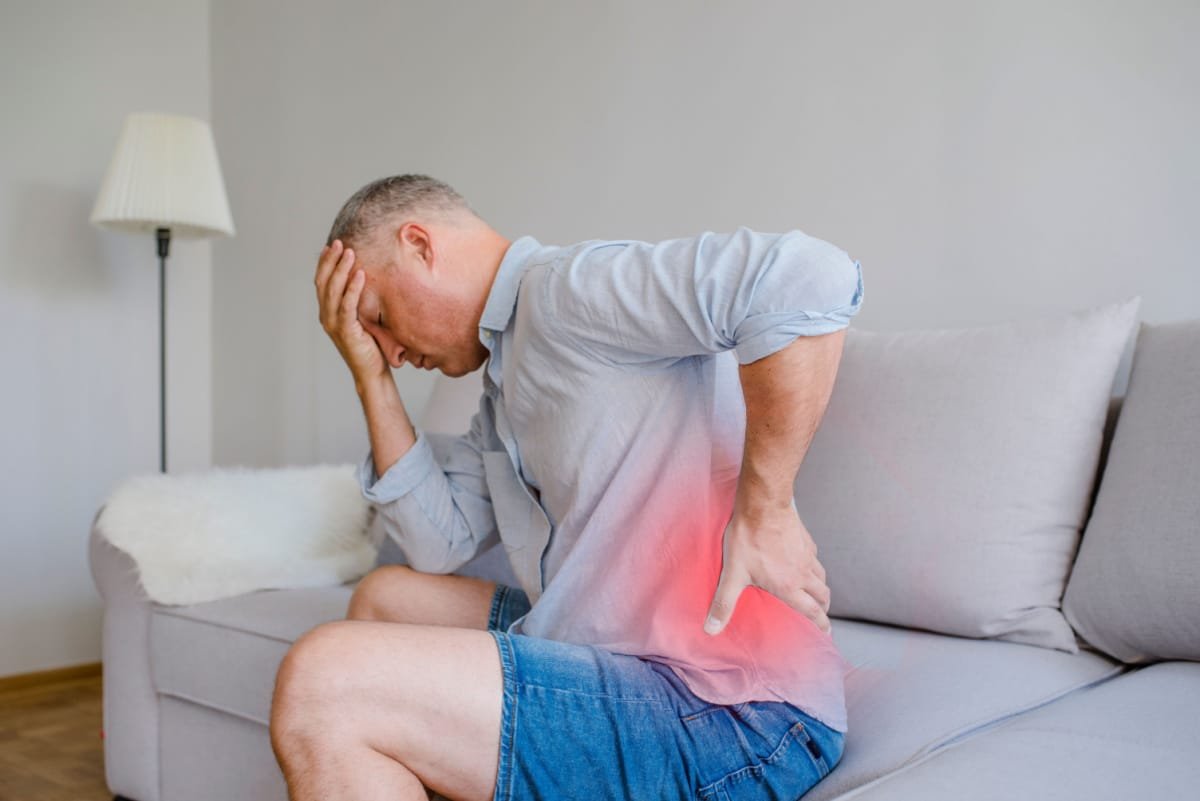
Patients diagnosed with this disease experience varying degrees of physical discomfort depending on the location of the deteriorated disc. Localized pain is a common symptom that worsens with specific mechanical activities, such as bending, heavy lifting, or spinal twisting. Some individuals may experience acute periods of severe pain followed by extended intervals of only mild discomfort, and the intensity of these symptoms fluctuates.
How Is Daily Life Affected?
The physical symptoms of degenerative disc disease can directly impact an individual’s capacity to perform standard routine activities. Tasks requiring prolonged sitting or continuous standing become physically challenging. Patients may need to modify their professional work environments to accommodate these limitations. Specific mobility restrictions limit participation in high-impact recreational activities or sports, and aging daily chores may require strategic planning to avoid symptom flare-ups.
What Are the Management Options?
Medical professionals recommend several conservative, non-surgical treatments to effectively manage the ongoing symptoms of this spinal condition. Implementing specific lifestyle modifications is a standard initial approach, as they help reduce mechanical stress on the affected spinal segments. A treating physician will tailor a comprehensive management plan based on the patient’s documented clinical symptoms, with the goal of maximizing functional mobility while minimizing localized pain.
Light exercise maintains targeted spinal flexibility, and it actively builds the supporting muscular structures surrounding the vertebrae. Dietary changes facilitate strategic weight loss to reduce mechanical spinal pressure. Physical therapy provides medically supervised stretches. An epidural steroid injection delivers potent anti-inflammatory medication directly to the irritated neural area, providing relief.
Seek Professional Support Today
Degenerative disc disease involves the progressive, age-related breakdown of structural spinal discs. Understanding the causes and symptoms helps patients recognize the ongoing mechanical changes in their bodies, enabling them to seek appropriate medical intervention. Consult a healthcare provider today to receive a formal evaluation and begin an effective, customized symptom management plan.
Leave a Reply