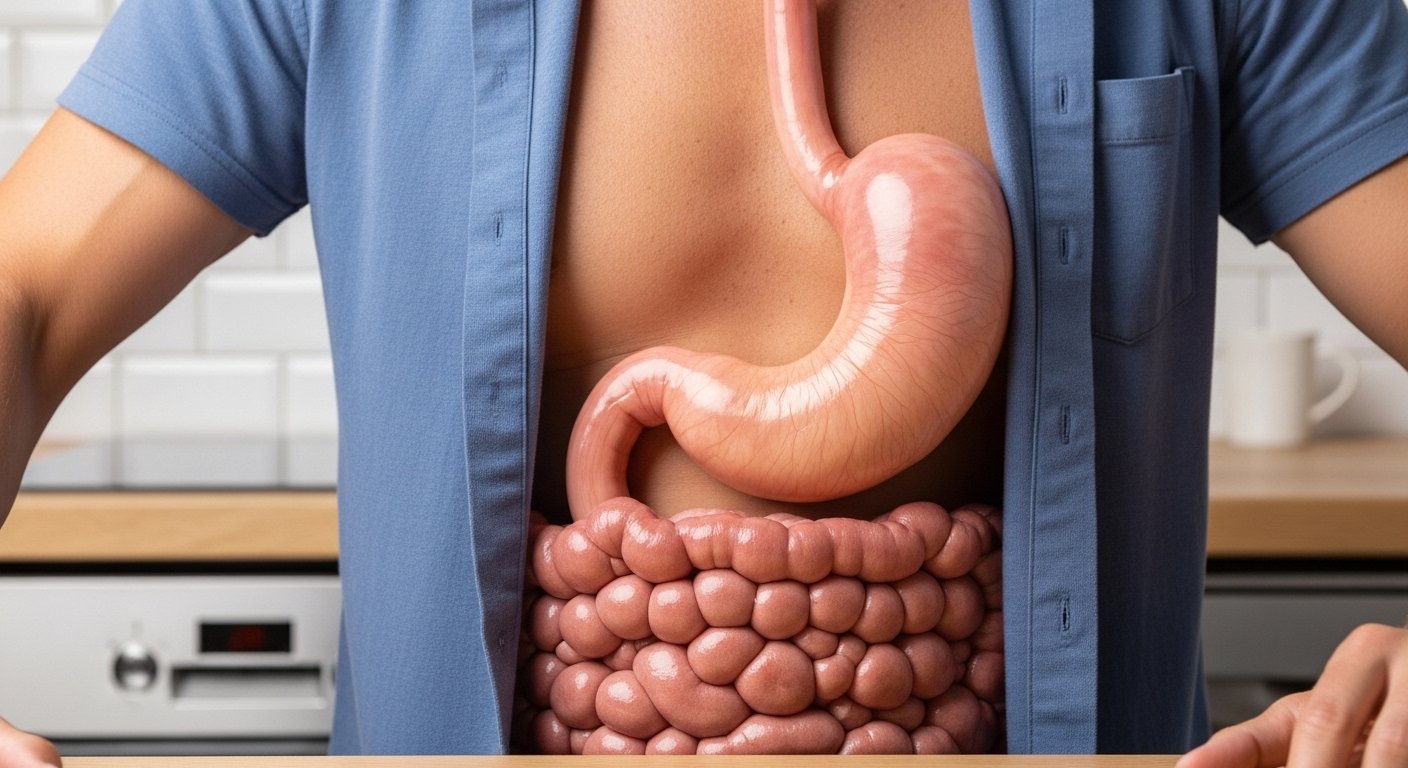
Careful meal choices help manage hiatal hernia symptoms such as acid reflux, chest discomfort, and bloating. High-fat or high-acid foods can worsen symptoms, while low-fat, low-acid meals aid digestion and reduce reflux.
Breakfast choices are especially important because the stomach and esophagus are particularly sensitive in the morning. Eating small, slow meals allows the digestive system to adjust and prevents excessive pressure on the stomach and diaphragm. Avoiding heavy, greasy, or spicy foods at the start of the day can also minimize the risk of triggering reflux.
In some cases, diet alone may not be sufficient to fully control reflux and discomfort. For patients with persistent symptoms, hiatal hernia surgery may be necessary.
Best Breakfast Foods for Hiatal Hernia
Choosing gentle, nutrient-rich foods helps prevent acid reflux while providing energy for the day. Focus on low-acid fruits, whole grains, lean proteins, and healthy drinks.
Low-Acid Fruits
Low-acid fruits are gentle on the stomach and unlikely to trigger reflux:
- Bananas: naturally soothing and easy to digest
- Melons: hydrating and low in acidity
- Apples: mild and versatile in oatmeal or smoothies
Whole Grains
Whole grains provide fiber, helping digestion and preventing reflux:
- Oatmeal : absorbs excess stomach acid and keeps you full
- Whole grain toast : ideal with a small amount of healthy fat or protein
- Brown rice porridge : gentle, low-fat breakfast option
Lean Proteins
Protein is important for energy but should be low in fat to avoid triggering reflux:
- Boiled or scrambled eggs : cook with minimal oil
- Greek yogurt (low-fat) : supports gut health and provides protein
Healthy Drinks
Some drinks can soothe the stomach, while others may exacerbate symptoms:
- Herbal teas : ginger or chamomile can ease digestive discomfort
- Low-fat milk or plant-based alternatives : gentle and non-acidic
Easy Breakfast Ideas for Hiatal Hernia
Here are some practical ways to combine the foods above into a hiatal hernia-friendly breakfast:
- Oatmeal with banana slices
- Whole grain toast with avocado
- Smoothie with low-acid fruits and almond milk
- Scrambled eggs with spinach
These meals are quick, nutritious, and minimize pressure on the stomach, helping reduce morning reflux.
Foods to Avoid at Breakfast
Certain breakfast foods are common triggers for acid reflux and hiatal hernia symptoms:
- Citrus fruits like orange or grapefruit
- Coffee, which can increase stomach acid
- Fried or fatty foods that delay stomach emptying
- Spicy ingredients such as chili or hot sauce
- Chocolate, which relaxes the lower esophageal sphincter
Limiting or avoiding these foods in the morning can significantly reduce hiatal hernia-related discomfort.
When to Adjust Your Diet Further
Even with careful food choices, some people may continue experiencing reflux or discomfort. Consider adjusting your diet further if:
- Symptoms persist despite low-acid, low-fat meals
- Severe symptoms occur, such as chest pain or difficulty swallowing
- You need medical guidance for persistent or worsening reflux
Consulting a healthcare provider can help create a personalized nutrition plan. For severe or chronic cases, Hiatal Hernia Surgery may be recommended to correct the anatomical issue causing reflux, providing long-term relief.
Frequently Asked Questions
What is the best breakfast for someone with a hiatal hernia?
A low-acid, low-fat meal like oatmeal with bananas or whole grain toast with eggs is ideal.
Can I drink coffee with a hiatal hernia?
Coffee can trigger acid reflux in many people, so it’s best to limit or avoid it, especially in the morning.
Are eggs safe for a hiatal hernia breakfast?
Yes, as long as they are prepared without excessive fat (e.g., boiled or lightly scrambled)
Is oatmeal good for hiatal hernia?
Yes, oatmeal is one of the best breakfast options because it is low in fat and helps absorb stomach acid.
Can smoothies help with hiatal hernia symptoms?
Yes, if made with low-acid fruits and non-dairy or low-fat milk, smoothies can be a gentle option.
How soon can I lie down after breakfast?
It’s best to wait at least 30–60 minutes to prevent reflux symptoms.
Are dairy products safe for hiatal hernia?
Low-fat dairy is usually safe, but full-fat products may worsen symptoms in some people
How do I know if diet alone is enough?
Persistent symptoms, severe chest discomfort, or difficulty swallowing should prompt medical consultation.
Conclusion
Breakfast choices play a crucial role in managing hiatal hernia symptoms and reducing morning reflux. Low-acid fruits, whole grains, lean proteins, and gentle drinks form the foundation of a hiatal hernia-friendly morning meal. Eating small portions slowly and avoiding trigger foods like coffee, citrus, and fried items can prevent acid reflux and chest discomfort.
While diet and lifestyle changes help most people, some may require medical interventions. For patients with severe hiatal hernia issues, Hiatal Hernia Surgery may restore normal anatomy, reduce reflux, and allow for more comfortable meals.
With careful planning, awareness of triggers, and timely medical care, breakfast can become a pleasant, symptom-free start to the day for anyone managing a hiatal hernia.
Leave a Reply