
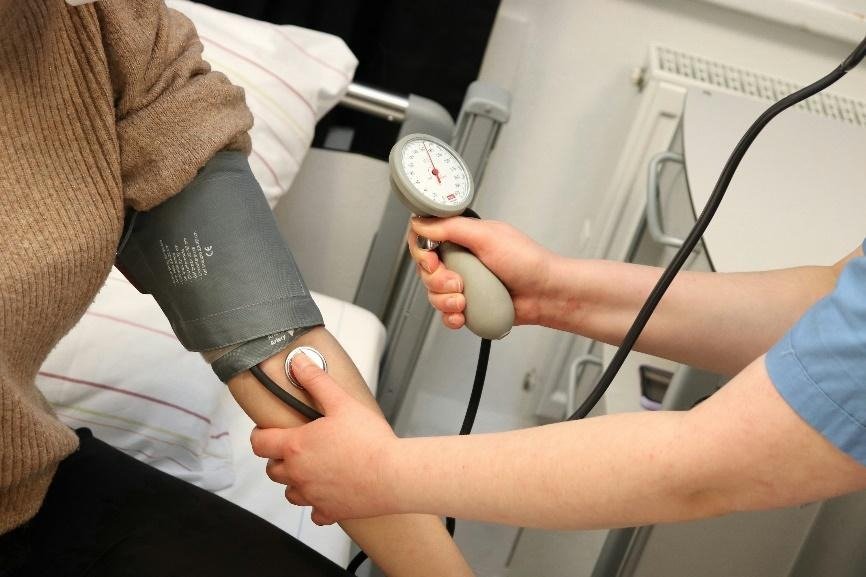
Ever lie in bed after a long shift and think… is this it? Same routine. Same chaos. Same tired feet.
But also that quiet thought sitting in the back… what else is possible?
Nursing starts at the bedside. That’s where everything hits first. The noise. The pressure. The responsibility. But it doesn’t have to end there. There’s a whole world beyond patient rooms and charting screens. It just doesn’t always get talked about enough.
Let’s walk through it.
The Bedside: Where It All Begins (and Sometimes Feels Like It Ends)
Everyone starts here. And honestly, it’s a lot.
Twelve-hour shifts that turn into fourteen. Alarms going off. Families asking questions that don’t have easy answers. Patients needing everything at once. And somewhere in the middle of all that… trying to breathe.
It teaches everything though. Time management. Emotional control. Quick decisions. How to keep going even when energy is gone. But here’s the thing… how long can someone run at that pace?
Some nurses love it. They stay. They thrive in the unpredictability. Others? They start to feel stuck.
- Is it wrong to want something different?
- Does stepping away mean giving up?
Not at all.
That feeling… that “there has to be more” thought… that’s usually the starting point of something bigger.
Understanding Management in Nursing (It’s Not Just Paperwork)
Management sounds intimidating at first. Like trading scrubs for meetings and emails. But it’s more than that.
It’s about stepping back and seeing the bigger picture. Instead of handling one patient at a time, it becomes about systems. Staffing. Patient flow. Outcomes. Fixing the problems that bedside nurses deal with every single day.
And then there’s the role of a nurse case manager. That one catches attention quickly.
- They don’t run around the unit.
- They coordinate care.
- They connect patients with resources.
- They make sure nothing falls through the cracks after discharge.
Sounds calmer, right? Sometimes it is. Sometimes it isn’t.
Because now the pressure shifts. Instead of physical exhaustion, it becomes mental. Plans have to work. Communication has to be clear. One missed detail can ripple outward.
Still… for many nurses, this path feels like breathing room.
- Less running. More thinking.
- Less chaos. More control.
But is management the right move for everyone?
Or just the next step people feel pushed toward?
That’s where it gets tricky.
Education and Specialization: Going Deeper Instead of Wider
Not every nurse wants to manage people. Some just want to understand more.
- Why does this treatment work?
- Why did that patient crash so fast?
- What could have been done differently?
That curiosity opens doors.
Specialties like ICU, oncology, pediatrics, and mental health all offer deeper focus. Then there’s advanced education. Nurse practitioners. Clinical nurse specialists. Educators. More schooling, yes. More pressure too. And doubt creeps in. Is it worth going back to school after exhausting shifts?
Can studying even fit into that kind of life? It’s not easy. No point pretending it is.
But for many, learning more brings a different kind of energy. A sense of moving forward instead of staying stuck in the same cycle. It’s less about escaping the bedside… and more about evolving within it.
Leadership Roles: When Nurses Start Shaping the System
Leadership doesn’t always start with a title.
It starts small. Helping a new nurse. Speaking up in meetings. Suggesting changes that actually make sense. Then one day, the opportunity shows up. Charge nurse. Unit supervisor. Director roles down the line. And suddenly… it’s not just about doing the job anymore. It’s about guiding others through it. Sounds powerful. It is. But it’s also heavy.
Now the stress isn’t just personal. It belongs to the whole team. Staffing shortages. Burnout. Conflicts. Complaints. Expectations from above. And that question comes back again…
Was this the right move?
Leadership asks for patience. Thick skin. A lot of listening. And the ability to stand in the middle of pressure from every side. Still, it gives something different. The chance to actually change things.
Not just complain about broken systems… but fix parts of them.
Non-Clinical Paths: Yes, Nurses Leave the Floor (And It’s Okay)
This part doesn’t get talked about enough. Some nurses step away from patient care completely. And there’s often guilt attached to that.
- Should a nurse always stay at the bedside?
- Does leaving mean losing purpose?
Not at all.
There are roles in healthcare administration. Insurance. Health tech. Policy. Writing. Teaching. Even consulting. All still connected to nursing. Just in a different way. These roles can bring balance back. More predictable hours. Less physical strain. A different kind of impact.
But they also come with their own doubts.
- Will clinical skills fade?
- Will it feel less meaningful?
Sometimes yes. Sometimes no. It depends on what someone values most at that point in life.
And that’s allowed to change.
The Emotional Side of Moving Forward
Career growth sounds exciting on paper.
In reality… it’s messy.
- There’s fear. What if the new role doesn’t fit?
- There’s comparison. Others seem to move faster.
- There’s hesitation. Is now even the right time?
And then there’s that quiet attachment to the bedside. Even on the worst days… there are moments. A patient saying thank you. A life saved. A connection that stays.
Walking away from that? It’s not simple.
But growth rarely is. It doesn’t have to be a dramatic leap either. It can be slow. One step. One course. One small shift in direction.
No rush. No perfect timeline. Just movement.
So… What Comes Next?
There’s no single path in nursing.
- Some stay at the bedside and build incredible careers right there.
- Some move into management and change how care is delivered.
- Some specialize, teach, lead, or step into entirely new spaces.
And all of it counts. The real question isn’t “What should a nurse do next?”
It’s… what feels right now?
Because that answer changes. And that’s okay.
Growth in nursing isn’t about leaving something behind. It’s about carrying everything learned… and using it differently.
Leave a Reply