
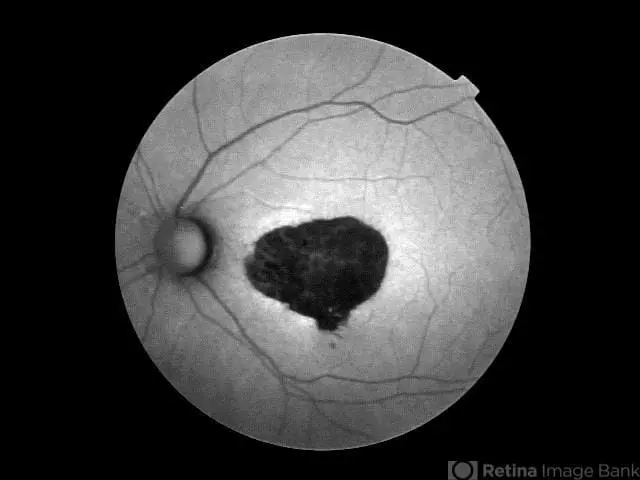
Vision changes are a natural part of the aging process for many individuals, yet specific conditions can lead to more significant alterations in how we see the world. Geographic atrophy represents an advanced stage of dry age-related macular degeneration (AMD), a condition that affects the central portion of the retina. Understanding the mechanics of this condition provides clarity on what is happening within the eye.
What Is Macular Degeneration?
Age-related macular degeneration is a progressive eye condition that impacts the macula. The macula is the central part of the retina, responsible for sharp vision. It allows us to perform tasks requiring fine visual acuity, such as reading and driving. When the macula begins to deteriorate, the brain may receive incomplete images, often resulting in blurriness or blank spots in the center of the visual field.
There are two primary forms of AMD: dry and wet. The dry form occurs when tiny clumps of protein called drusen grow and cause the macula to lose its function. The wet form happens when new, abnormal blood vessels grow under the retina. These vessels may leak blood or other fluids, causing scarring of the macula. While treatments exist for the wet form, the dry form can be more challenging to address medically.
What Is Geographic Atrophy?
Geographic atrophy is the late stage of dry age-related macular degeneration. In this stage, regions of the retina cease to function because the photoreceptor cells and the supporting tissue have died. Unlike the wet form, which can cause sudden vision loss due to fluid leakage, geographic atrophy typically progresses slowly. Patients might notice a gradual decline in their ability to see clearly in low light or difficulty distinguishing colors. The peripheral vision usually remains intact, meaning total blindness is rare, but the loss of central vision significantly impacts visual acuity.
How Is It Treated?
Managing geographic atrophy focuses largely on slowing progression and helping patients adapt to vision changes. Certain treatment approaches for macular degeneration, such as photodynamic therapy and laser therapy, have been used to address the abnormal blood vessels associated with the wet form of the condition. Understanding the range of available therapies can be helpful for those navigating the spectrum of macular degeneration.
Aside from medical interventions, low vision rehabilitation serves as a primary pillar of care. Specialists work with patients to maximize their remaining sight through the use of optical devices like specialized reading glasses. Lifestyle adjustments, such as improved lighting in the home, also support daily functioning. Dietary supplements containing specific formulations of vitamins and minerals are frequently recommended for intermediate dry AMD to reduce the risk of progression. Their effect specifically on advanced geographic atrophy varies.
Consult a Retina Specialist
Navigating the complexities of geographic atrophy requires specialized medical guidance. A general ophthalmologist can detect early signs of macular degeneration, but a retina specialist possesses the specific expertise needed for managing advanced conditions like geographic atrophy. These specialists have access to advanced imaging technologies, such as optical coherence tomography (OCT). Regular monitoring allows for timely discussions about new therapies and adaptation strategies.
Leave a Reply