
Cysts are fluid-filled or semi-solid sacs that can develop in various parts of the body, including the skin, ovaries, breasts, kidneys, and internal organs. While many are harmless and cause little to no discomfort, others may produce symptoms. These symptoms vary based on location, size, and whether they become inflamed, infected, or rupture. Here is an overview of the symptoms associated with different types of cysts:
Visible Surface Cysts
Skin cysts form just beneath the surface and create visible or palpable lumps and bumps. These are the most common types you’ll encounter, and they share similar characteristics. Here are some of them:
- Sebaceous cysts: These develop when an oil gland becomes blocked, leading to sebum accumulation in a sac. They appear as smooth, round bumps under the skin and typically cause no pain unless they become infected.
- Epidermoid cysts: Dead skin cells that don’t shed properly clump together and secrete fluid, forming a cyst. They look similar to sebaceous lumps but may have a small central opening.
- Pilonidal cysts: These occur near the tailbone and often contain hair and skin debris. They can become painful when infected and may drain pus or blood.
Most skin lumps and bumps remain small and symptom-free, but an infected cyst turns red, swells, and becomes tender to the touch.
Reproductive System Cysts
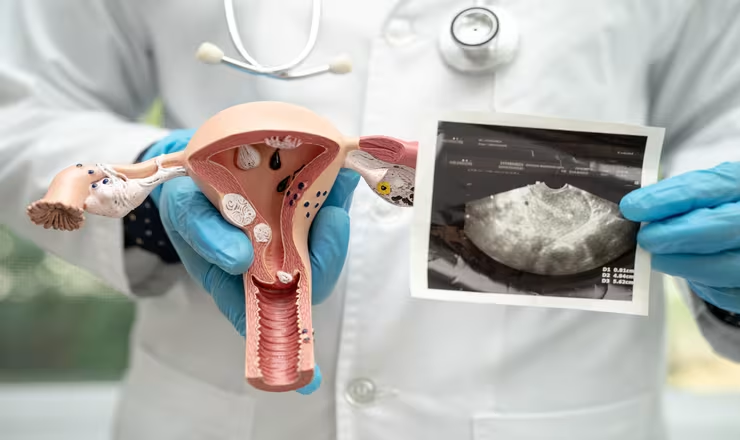
An ovarian cyst forms during the menstrual cycle when a follicle doesn’t release an egg properly or when tissue accumulates after ovulation. Some women have ovarian cysts without knowing it, and small lumps and bumps often cause no symptoms. A large ovarian cyst can trigger noticeable signs; you may feel a dull ache or sharp pain in your lower abdomen, especially on one side. The pain may worsen during your period, intercourse, or exercise. If a cyst ruptures or causes the ovary to twist, you’ll feel sudden, severe pain that requires immediate medical attention.
Internal Organ Cysts
Cysts that form inside organs frequently go undetected for months or years. They grow slowly, and they cause symptoms only when they become large enough to interfere with organ function. Liver cysts are a common internal cyst and contain clear fluid, and rarely cause problems. A liver cyst may grow large, and it may cause a feeling of fullness in the upper abdomen, right-sided pain, or nausea after eating.
Kidney cysts also develop frequently, particularly as people age. A small kidney cyst causes no symptoms and is often discovered during imaging tests for other conditions. Large kidney cysts can press on blood vessels, and they can lead to back pain or high blood pressure.
Urgent Warning Signs
While a cyst is harmless, certain symptoms signal that you need prompt medical evaluation. Watch for these warning signs:
- Rapid growth: A cyst that enlarges quickly over days or weeks may indicate a serious condition.
- Severe pain: Sudden, intense pain suggests a ruptured cyst or a complication that needs immediate care.
- Signs of infection: Redness, warmth, swelling, and drainage with a foul odor indicate an infected cyst that requires antibiotics or surgical drainage.
- Changes in bowel or bladder function: A cyst pressing on your digestive or urinary system can interfere with normal function.
When you notice any of these symptoms, contact your healthcare provider. They’ll examine the cyst and recommend treatment based on its location, size, and characteristics.
Schedule Your Appointment for Cysts
Cysts come in many forms, from visible skin lumps and bumps to hidden internal sacs that reveal themselves only through symptoms or imaging. Most cysts are benign and require no treatment beyond monitoring. An Infected cyst, rapidly growing lump, or cyst causing pain or other symptoms requires medical attention. If you’ve discovered a lump or bump that concerns you, contact a qualified specialist near you to schedule your appointment today.
Leave a Reply