
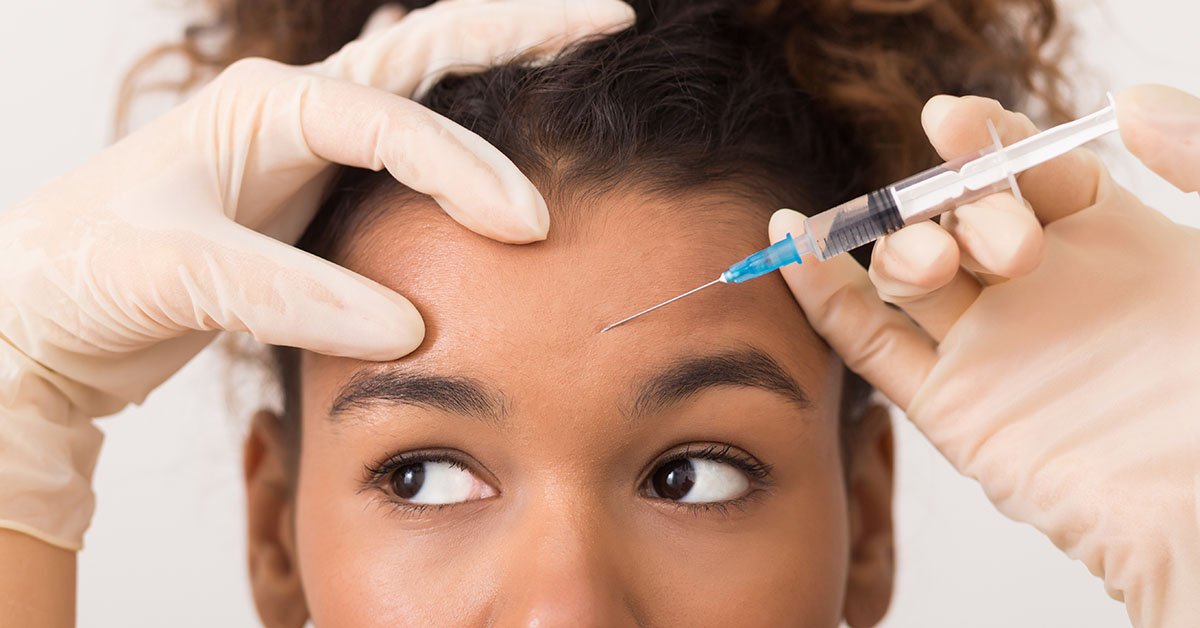
Botox is a prescription injectable, so it should be administered in a reputable medical setting by a licensed provider who understands facial anatomy. Choosing the right clinic, such as a medical spa, can reduce your risk of complications and help you achieve natural-looking results. Here’s how to identify the right place to get botox in your face:
Upper Face Botox Areas
The upper face is the most common region for botox treatments because expressive muscles here cause deep lines over time. Forehead lines appear when you raise your eyebrows, and they usually run horizontally across the skin. Injections in this area relax the frontalis muscle, softening horizontal creases and creating a smoother forehead.
Another fundamental area is the glabellar lines, often called “11s” or frown lines, located between the eyebrows. Treating the glabellar complex prevents the furrowing that happens when you concentrate or frown. Crow’s feet develop at the outer corners of the eyes from years of smiling and squinting. Injections here target the orbicularis oculi muscle to smooth out these fine lines.
Mid-Face Botox Areas
While the upper face receives much attention, the mid-face also contains specific muscles that benefit from anti-wrinkle injections. Treating these areas can refine your facial expressions and reduce specific types of wrinkles formed by muscle movement. Places for botox in the mid-face include:
- Bunny Lines: These are the diagonal wrinkles that appear on the bridge of the nose when you scrunch it or smile deeply.
- Nasal Flare: Some individuals opt for injections to prevent excessive nostril flaring during expression or breathing.
- Gummy Smile: Injections near the nose can relax the lip muscles to prevent the upper gum from showing too much when smiling.
Discussing these options with a practitioner helps you decide if mid-face treatment aligns with your aesthetic goals.
Lower Face Botox Areas
The lower face and neck area uses botox to address muscle tension and skin texture changes associated with aging. This approach often targets muscles that pull the face downward or cause uneven skin texture. These include:
- Lipstick Lines: These vertical lines form above the upper lip and are often treated to smooth the area around the mouth.
- Chin Dimpling: Injections in the mentalis muscle can smooth the “orange peel” texture that creates a dimpled chin.
- Marionette Lines: Treating the corners of the mouth can help lift a drooping appearance and reduce lines running down to the chin.
- Masseter Muscles: Injections in the jaw muscles can slim the lower face and reduce the appearance of a square jawline.
These treatments require precision because the muscles in the lower face play a fundamental role in speaking and eating.
Quick Area Checklist
Determining if a specific area is suitable for treatment requires evaluating several physiological factors. You should contemplate the depth of the wrinkle and whether it is dynamic or static. Dynamic wrinkles appear during movement, and these respond best to botox treatments. Static wrinkles are visible at rest and may require other treatments, such as dermal fillers. The practitioner will look for signs of infection or inflammation that may delay the procedure. A consultation helps clarify these details, and it allows the provider to create a plan tailored to your anatomy.
Schedule Your Botox Appointment Today
Botox is a versatile solution for reducing wrinkles across the upper, mid, and lower face. Understanding the specific treatment areas helps you have a productive conversation with your aesthetic provider. It is helpful to seek treatment from a qualified professional who understands facial anatomy and safety protocols. Contact a qualified provider near you to schedule your botox appointment today.
Leave a Reply