
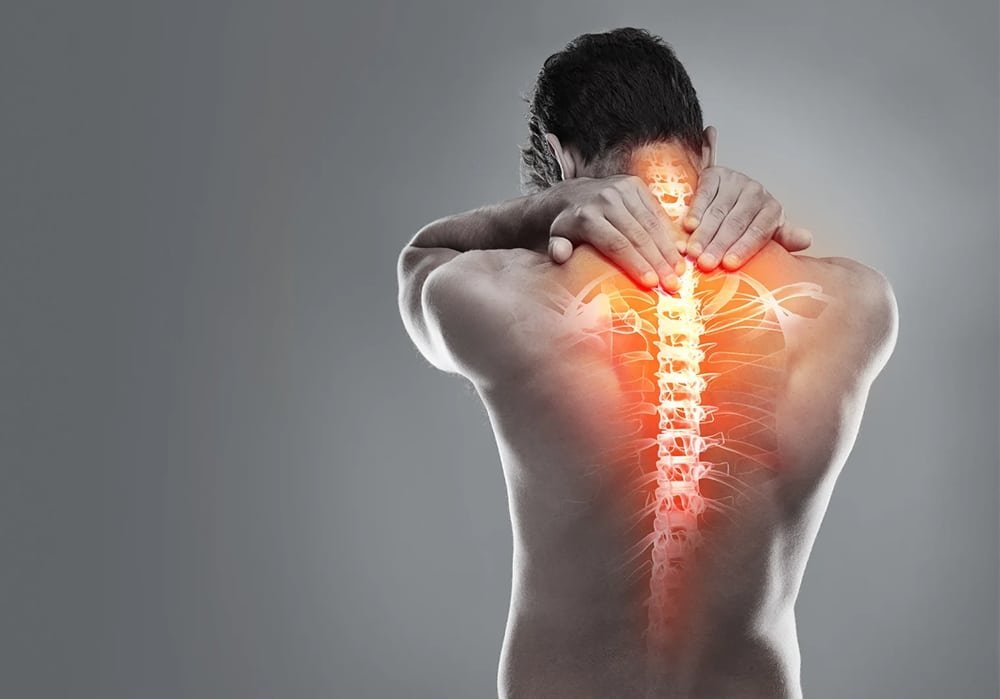
Spine pain is a common condition, often affecting daily activities and overall quality of life. This condition ranges from mild discomfort to debilitating pain, and understanding the nuances of spine health is necessary for effective management. Here is more information on the definition of spine pain, common causes, and practical strategies for prevention and treatment:
What Is Spine Pain?
Spine pain refers to discomfort or pain localized in the backbone area, which extends from the neck down to the lower back. It manifests in various forms, including dull aches, sharp shooting sensations, or stiffness that limits mobility. Identifying the specific location and nature of the pain helps medical professionals determine the underlying cause and appropriate course of action. Acute pain typically lasts a few days to weeks, whereas chronic pain persists for longer than three months.
What Causes It?
Several factors contribute to the onset of spine pain, ranging from lifestyle habits to structural abnormalities within the body. Poor posture, particularly during prolonged periods of sitting or standing, places excessive strain on the spinal structures. Over time, this misalignment leads to muscle imbalances, and it increases pressure on the intervertebral discs.
Structural issues such as herniated discs, spinal stenosis, or scoliosis are additional causes of persistent back discomfort. Degenerative conditions such as osteoarthritis wear down the protective cartilage in spinal joints, and this leads to inflammation and pain. Traumatic injuries from accidents or sports activities damage the soft tissues or bones of the spine, necessitating medical attention.
What Are Effective Prevention Tips?
Preventing spine pain involves adopting proactive lifestyle modifications that support spinal health and reduce unnecessary strain. Maintaining a healthy weight reduces the load on the lower back; this decreases the risk of developing chronic pain. Regular low-impact exercise, such as walking or swimming, strengthens the muscles supporting the spine without causing excessive stress.
Ergonomics plays a significant role in preventing back issues, especially for individuals with sedentary occupations. Adjusting chair height, positioning computer monitors at eye level, and taking frequent breaks to stretch relieve pressure on the spine. Lifting heavy objects requires proper technique; bending at the knees and keeping the object close to the body prevents injury to the lower back muscles.
What Are the Treatment Approaches?
Addressing spine pain often requires a multifaceted approach tailored to the condition’s severity and cause. Physical therapy focuses on strengthening exercises and flexibility training. A physical therapist designs a personalized regimen to target specific muscle groups, and consistent participation in these exercises helps correct posture and prevents future recurrences of pain.
Medications such as nonsteroidal anti-inflammatory drugs (NSAIDs) provide temporary relief from inflammation and discomfort. These pharmacological interventions allow patients to participate more comfortably in physical therapy or daily activities. Applying ice packs reduces inflammation and numbs sharp pain during the acute phase of an injury, whereas heat therapy relaxes tight muscles and improves blood circulation.
For more severe or persistent pain, corticosteroid injections are administered directly into the affected area to reduce inflammation. These injections provide relief for conditions such as sciatica or spinal stenosis, and the effects may last for several months. Surgical intervention is typically reserved for cases where conservative treatments fail to provide adequate relief or when there is significant neurological impairment.
Address Your Pain Today
Managing spine pain requires a comprehensive understanding of its causes and a commitment to appropriate prevention and treatment strategies. Early intervention and professional medical advice help to improve prognosis and reduce the likelihood of chronic complications. Consult with a healthcare provider and establish a treatment plan that addresses your specific needs.
Leave a Reply