
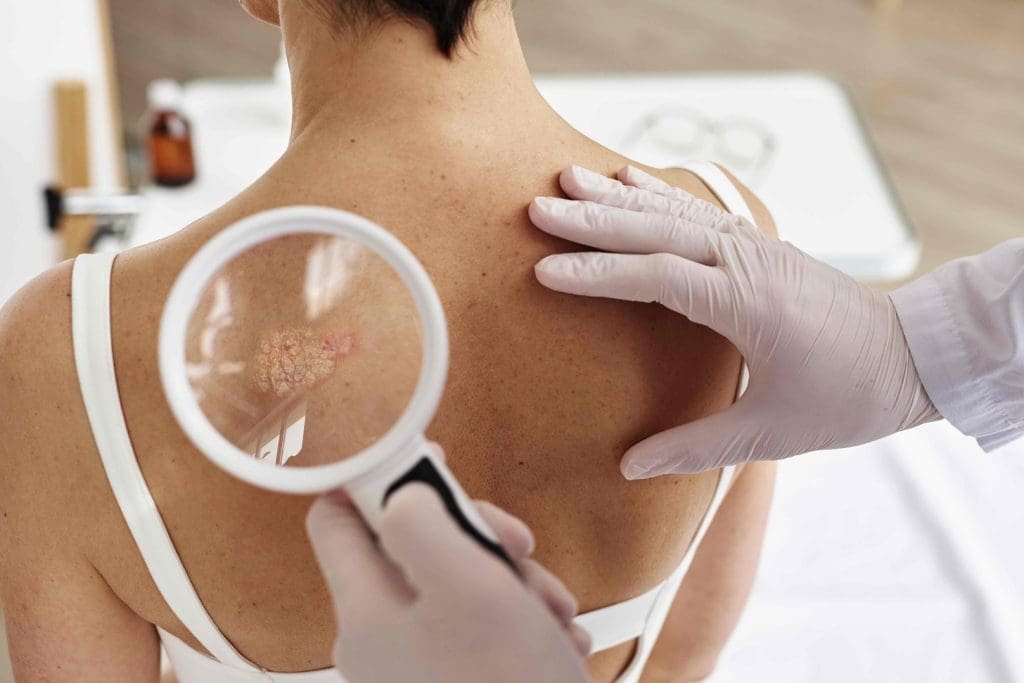
A skin cancer diagnosis typically brings many questions and concerns, but learning about the condition is a helpful first step. Cancer develops when skin cells grow abnormally, and this growth is often caused by sun exposure. Understanding the available treatments can help you be more prepared as you discuss options with your healthcare provider. Here are some skin cancer treatment options:
Laser Therapy
Laser therapy is a treatment option for certain skin cancers. A dermatologist uses a focused beam of light to target and destroy cancer cells while leaving surrounding tissue unharmed. While this method is precise, it is typically helpful for very early-stage cancers. Your doctor will discuss whether this approach is right for your specific situation, and it may treat:
- Superficial basal cell carcinoma
- Squamous cell carcinoma in situ
- Actinic keratosis
Laser therapy is non-invasive and typically takes place in an outpatient setting. It aims to destroy abnormal cells, and the procedure may be quick with minimal recovery time. While laser therapy is effective for certain early-stage cancers, its suitability depends on factors such as tumor size, location, and individual health conditions, so a thorough consultation with your doctor is helpful.
Cryotherapy Treatment
Cryotherapy involves using extreme cold to treat skin cancer. A healthcare professional applies liquid nitrogen directly to the cancerous lesion, which freezes and destroys the abnormal cells. Following the procedure, the area will blister and eventually form a scab that falls off.
This treatment treats precancerous growths and some small, early-stage cancers. The process is quick and may be performed in a doctor’s office. You may receive specific instructions for aftercare, and these help to support healing and manage any discomfort.
Mohs Surgery
Mohs surgery is a specialized procedure for removing certain skin cancers, and it involves a unique process. The surgeon removes the visible cancer and a thin layer of surrounding skin, and then they immediately examine the tissue under a microscope. This process allows the surgeon to check for any remaining cancer cells.
If cancer cells are found at the edge of the removed tissue, the surgeon will remove another layer from that specific area. This continues until no cancer cells are detected. The method helps remove all the cancerous tissue, and surgeons aim to spare as much healthy tissue as possible.
Because it is precise, Mohs surgery is especially effective for specific types of cancer. It may be helpful for cancers in areas where preserving tissue is desirable, such as the face, hands, or feet. Your surgeon can explain the entire process and what you might expect during recovery.
Surgery Procedures
Surgical excision is a standard treatment for many types of skin cancer. The doctor removes the cancerous tumor along with a margin of healthy skin around it, which helps to remove any stray cancer cells. The removed tissue is then sent to a lab for examination. This procedure is typically performed with local anesthesia in an outpatient setting.
Find Skin Cancer Care Today
Navigating a skin cancer diagnosis is complex, but help is available. Many treatment paths are available, and a healthcare team can guide you. To learn more about your options and develop a personalized care plan, schedule a consultation with a qualified dermatologist.
Leave a Reply