
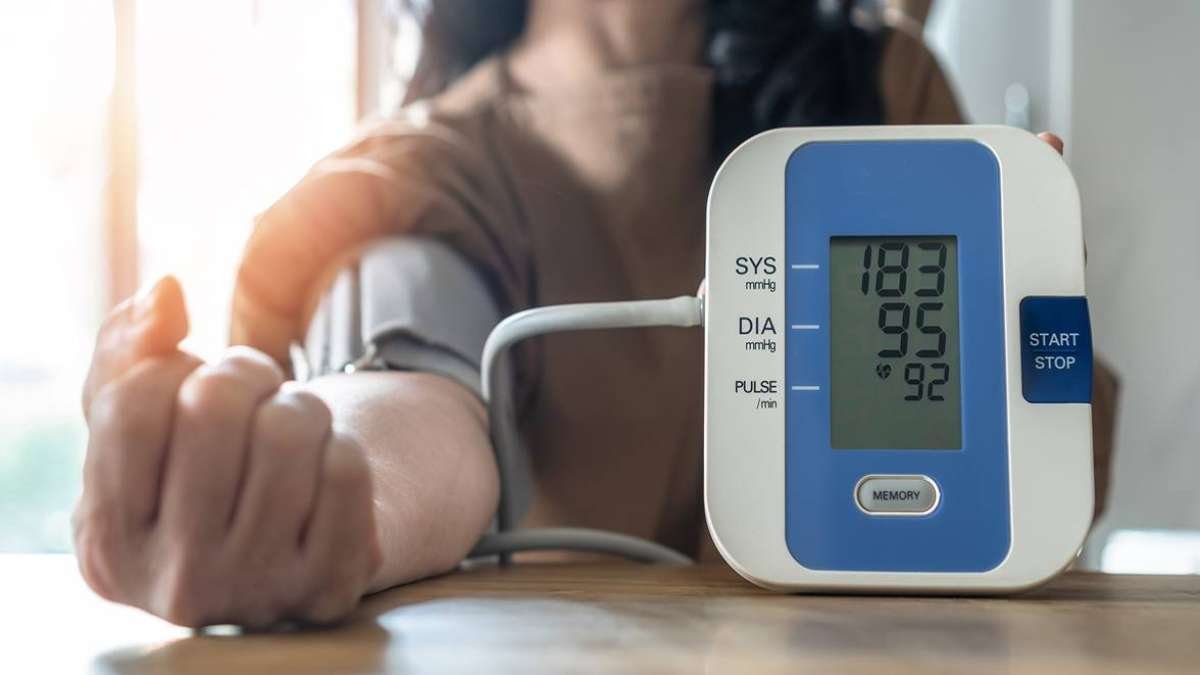
Hypertension is another name for high blood pressure. This condition happens when the force of blood against the walls of your arteries is too strong for a long period. Many adults have hypertension, and it can cause serious health problems if not managed. Knowing what hypertension is, why it is risky, and how it is managed is helpful for anyone working in healthcare.
What is Hypertension?
Blood pressure is measured using two numbers. The first number, called systolic pressure, shows how much pressure your blood exerts against artery walls when your heart beats. The second number, or diastolic pressure, shows the pressure when your heart rests between beats. Both numbers are measured in millimeters of mercury (mmHg), and together they help determine if blood pressure is within a normal range or if there is hypertension.
Normal blood pressure is less than 120/80 mmHg. If the top number is between 120-129 mmHg and the bottom number is less than 80 mmHg, it is called elevated blood pressure. This stage does not mean you have hypertension, but it does mean you should monitor it. Stage 1 hypertension is when the top number is 130-139 mmHg or the bottom number is 80-89 mmHg. At this stage, it is helpful to talk to a healthcare provider. Stage 2 is more serious, with a top number of 140 mmHg or more, or a bottom number of 90 mmHg or more. Diagnosis of hypertension usually requires high readings on three separate visits.
What are the Health Risks?
If not controlled, hypertension can damage arteries and organs over time. High blood pressure puts extra strain on the blood vessels, which may lead to health complications. Many people with hypertension do not have any symptoms, so regular screening is necessary. Without routine checks, organ damage might develop before hypertension is discovered. The complications are serious. Hypertension can raise the risk of stroke, heart attack, and heart failure. These problems occur because the heart has to work harder to pump blood. High blood pressure can also harm the kidneys, making it harder for the body to clear waste. In some cases, the eyes are affected, leading to vision problems. Hypertension can even have effects on memory and increase the risk of dementia. Each of these risks means finding and treating high blood pressure early. Regular care helps prevent these health issues.
What are the Methods of Management?
The first step to managing hypertension is often making changes to daily habits. Lifestyle changes can include eating healthier foods, getting more exercise, and losing weight if needed. For diet, it is best to eat more fruits, vegetables, and whole grains, and to limit salt and sodium. Physical activity, such as walking or other exercise, should be done regularly because it helps keep blood pressure at a safe level. Even losing a small amount of weight can improve blood pressure.
Find a Clinic
If these steps are not enough, healthcare providers may suggest medication.
Hypertension is common but manageable. By understanding blood pressure readings, being aware of the risks, and making healthy choices, both individuals and healthcare professionals can control hypertension and prevent its complications. Regular monitoring, lifestyle changes, and medical treatment all help in keeping blood pressure within a healthy range. Find a clinic near you to start treatment.
Leave a Reply