
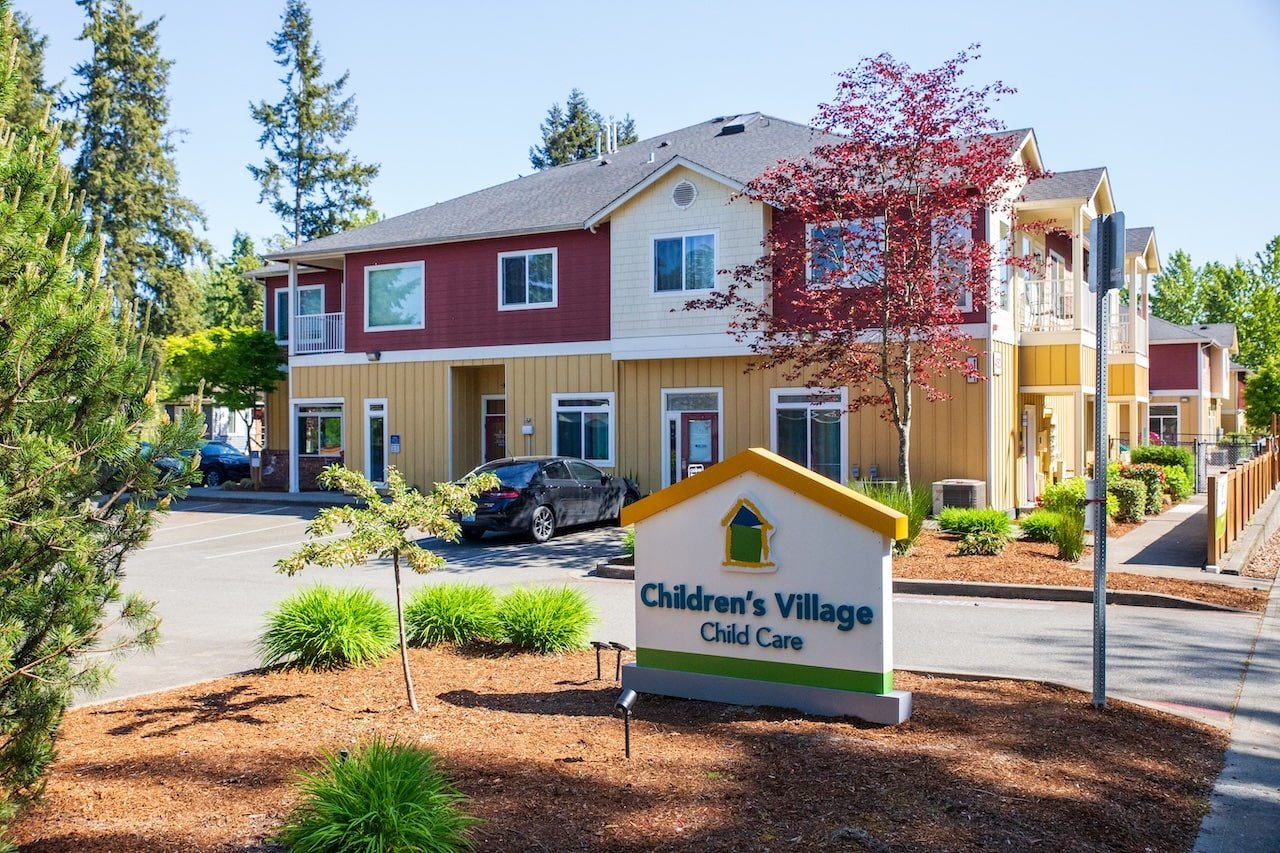
Stable housing is a component of individual and community well-being. When individuals lack a secure place to live, their ability to maintain employment, manage health conditions, and participate in society is compromised. Transitional housing programs offer a structured pathway from homelessness or institutional settings to permanent, independent living, thereby playing a significant role in improving overall community health outcomes.
What Is Transitional Housing?
Transitional housing is a form of temporary accommodation designed to bridge the gap between emergency shelters and permanent housing. Unlike emergency shelters, which provide short-term relief from homelessness, transitional housing offers a more stable environment for an extended period. The objective is to provide residents with the support needed to address the root causes of their housing instability.
These programs are structured to help individuals and families develop the skills and resources required for long-term self-sufficiency. Residents may live in apartment-style units or shared living spaces while participating in supportive programs. This model provides a safe and structured environment where people can work toward personal goals, such as securing employment and managing finances, without the constant stress of housing insecurity.
Who Is It For?
Transitional housing serves a diverse population of individuals and families who are experiencing or at risk of homelessness. These programs are tailored to meet the needs of specific groups, providing more than just a place to sleep. They are often designed for people who can benefit from a supportive structure as they move toward independence. Common groups who utilize these services include:
- Veterans Experiencing Homelessness: Many veterans face unique challenges and difficulty reintegrating into civilian life.
- Youth Aging Out of the Foster Care System: Young adults without a family support system can find a safe place to learn independent living skills.
- Survivors of Domestic Violence: Transitional housing provides a secure location for individuals and their children to rebuild their lives away from an abusive environment.
- Individuals Re-Entering Society After Incarceration: These programs can help people find employment and housing, which reduces the likelihood of reoffending.
How Does It Help Communities?
Transitional housing programs are defined by the comprehensive support services they offer. The goal is not just to house people temporarily but to equip them for permanent stability. By integrating housing with supportive services, these programs address the complex issues that contribute to homelessness. Services often include:
- Case Management: Residents may work with a case manager to create an individualized plan. This plan sets goals related to housing, employment, education, and health.
- Health and Wellness Services: Programs facilitate access to mental health care and support groups. A stable living situation can make it possible for residents to attend sessions regularly.
- Life Skills Training: Residents learn practical skills needed for independent living. For some, this may be the first opportunity to develop these fundamental abilities in a supportive setting.
By providing this combination of housing and services, transitional programs help individuals build a foundation for a stable future. This support can reduce the strain on emergency systems and contribute to a healthier community.
Seek a Referral for Services
Individuals or families who believe they could benefit from a transitional housing program can access these services through various referral pathways. Social service agencies are common sources for referrals. If you are facing housing instability, reaching out to a local social worker can be the first step. These professionals can assess the situation and connect you to the appropriate programs that offer the structured support needed to transition to permanent housing and achieve long-term stability.
Leave a Reply