
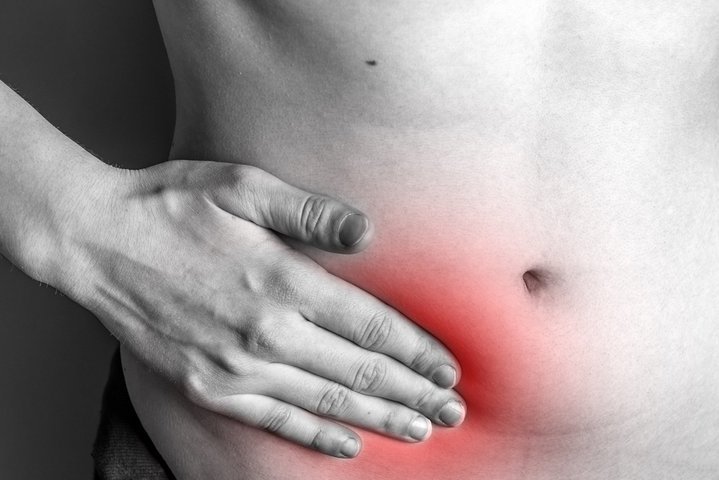
A hernia occurs when an organ or fatty tissue pushes through a weak spot in a surrounding muscle or connective tissue called fascia. This can create a noticeable bulge or lump. While a hernia may sound concerning, it is a common condition, and effective treatments are available to address it. Understanding the causes and symptoms can help you know when to seek medical advice.
Causes
A hernia results from muscle weakness and strain. You can be born with weak muscles, or they can weaken over time with age. Because anything that puts pressure on your abdomen can also lead to a hernia, be mindful of activities and conditions that increase abdominal strain. Common causes and risk factors include:
- Straining during bowel movements or urination
- Persistent coughing or sneezing
- Lifting heavy objects without stabilizing the abdominal muscles
- Obesity, which puts extra pressure on your abdomen
- Fluid in the abdomen, also known as ascites
- Previous abdominal surgery
Some people have a higher risk of developing a hernia, and factors like family history, chronic constipation, and smoking can increase your chances of developing one. A previous occurrence can also make you more susceptible to another one in the future.
Symptoms
Although hernias can present in various ways, the most common symptom is a bulge or lump in the affected area. This lump may appear when you stand up or strain, and it might disappear when you lie down. You may be able to gently push the bulge back into your abdomen when you are lying down.
Other common symptoms can include:
- A dull ache or pain in the area of the bulge
- A feeling of pressure or weakness in the abdomen
- Discomfort that worsens when you stand, strain, or lift heavy items
Symptoms can vary depending on the type and location of the hernia. An inguinal hernia in the groin may cause pain that radiates into the leg, while a hiatal hernia in the upper abdomen can lead to heartburn and chest pain. Some produce only mild discomfort at first, so monitor any changes or progression in symptoms.
Treatments for a Hernia
Treatment for a hernia depends on its size, location, and the severity of your symptoms. In some cases, your doctor may suggest a “watchful waiting” approach. If it is small and not causing any discomfort, immediate treatment might not be necessary, but it should be monitored.
For hernias that are causing pain or are growing larger, surgery is the most common and effective treatment. The goal of surgery is to repair the weakened tissue and return the protruding organ to its proper place. There are two main types of hernia repair surgery. Open surgery involves making an incision near the hernia to repair the weak muscle, and laparoscopic surgery uses small incisions and special tools to fix it. Your surgeon will discuss which option is for you.
Ask Your Doctor Today
If you suspect you have a hernia or are experiencing any of the symptoms mentioned, consult a healthcare professional. A doctor can provide an accurate diagnosis and recommend the most appropriate course of action for your specific situation. Early diagnosis can help you manage symptoms and prevent potential complications. You can discuss your concerns with a doctor, and they can provide the guidance you need.
Leave a Reply